
Why Do Industrial Devices Get More Expensive – and Why PCB Matters More Than Chips?
2026-07-28
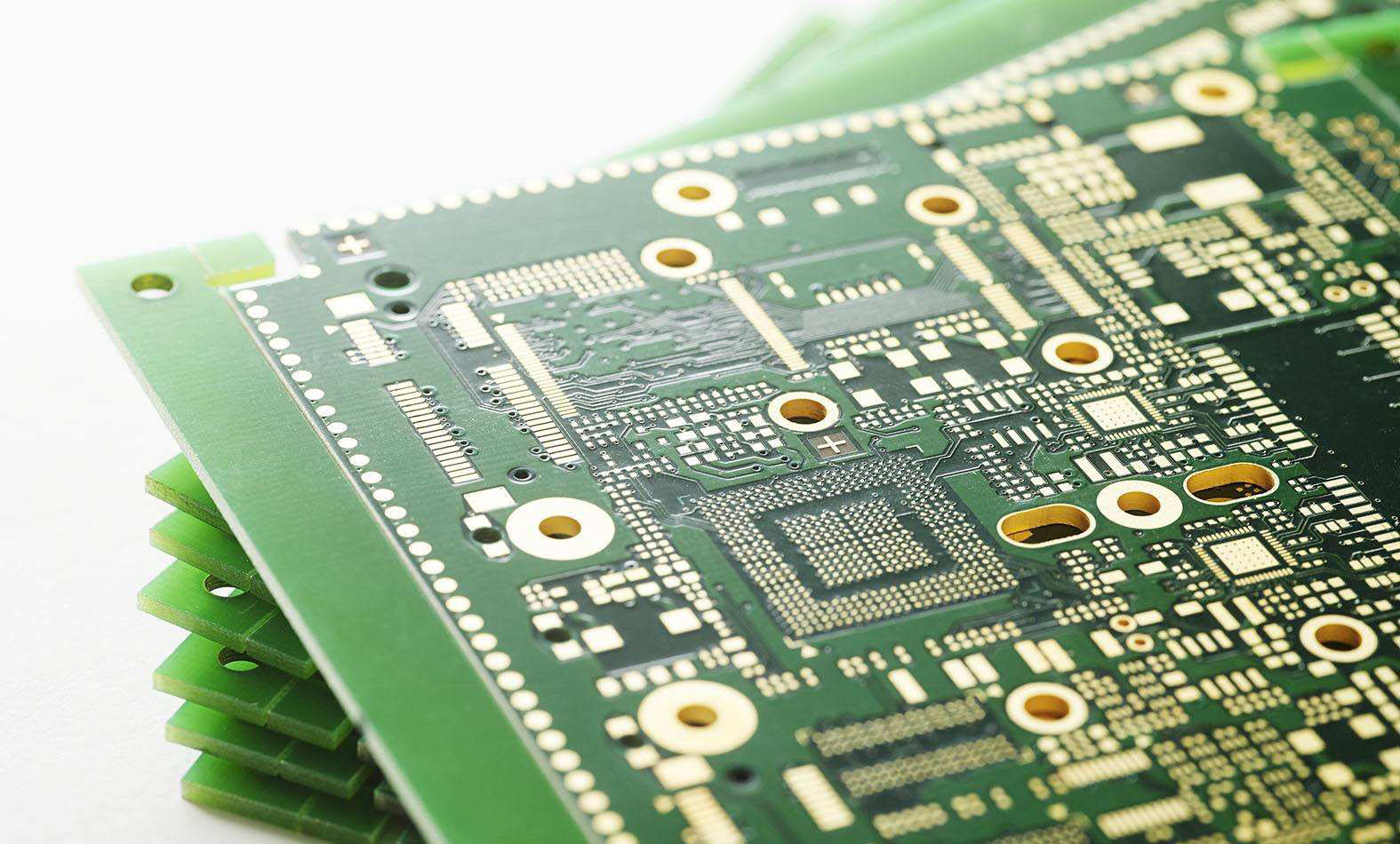
There's a common misconception in the electronics industry: most people think that the performance and stability of industrial equipment are determined by chips and software algorithms. But if you dig into the industrial PCB and PCBA world, you'll find a counterintuitive truth: the chip sets the upper limit of the equipment's performance, while the PCB circuit board sets the lower limit of its operation.
Many affordable industrial control devices and automation instruments on the market have hardware chip specifications comparable to high-end equipment – yet their lifespan and stability differ vastly. High-end industrial equipment can run reliably for ten years without failure, while ordinary devices may experience crashes, communication errors, or shutdown alarms within just a year or two. The core difference lies hidden in the overlooked aspects of PCB design and manufacturing.
Consumer PCBs and industrial PCBs are fundamentally built to two completely different standards. Consumer products like smartphones and tablets have fast iteration cycles, operate in mild environments, and do not require continuous long-term operation; their PCB design prioritizes thinness, low cost, and miniaturization. Industrial equipment, however, operates year-round under harsh conditions – high temperature, vibration, electromagnetic interference, dust, and humidity – and must run 24/7 without interruption, placing extreme demands on PCB reliability.
All core functions of industrial equipment rely on the PCB as the foundation. A high-quality industrial PCB ensures stable, continuous power delivery through scientific power routing, appropriate copper thickness selection, and thorough filtering and decoupling design – eliminating voltage fluctuations and excessive ripple. At the same time, it precisely controls high-speed signal routing, impedance matching, and EMC (electromagnetic compatibility) to avoid intermittent faults like signal distortion and data loss.
In many cases, when equipment failures are ultimately traced back, the root cause is not a damaged chip or a software bug – it is a latent issue caused by improper PCB routing, chaotic return paths, or insufficient noise immunity. For industrial equipment, chips can be replaced with domestic alternatives and software can be iteratively improved, but a PCB with substandard design or manufacturing will remain a permanent weakness in the equipment's reliability.
So the premium price of high-end industrial equipment is never just about chips and algorithms – it also encompasses high-standard PCB design, rigorous material selection, and full-process PCBA process control. A stable hardware foundation is the core confidence behind long-lasting industrial equipment performance.
Why Is a Manufacturability Check Necessary Before SMT Assembly?
What Causes Aging of Capacitors and Resistors on PCBA?



SEND MESSAGE