
Small-Batch PCBA Prototyping: How Do You Choose the Right Factory?
2026-10-21
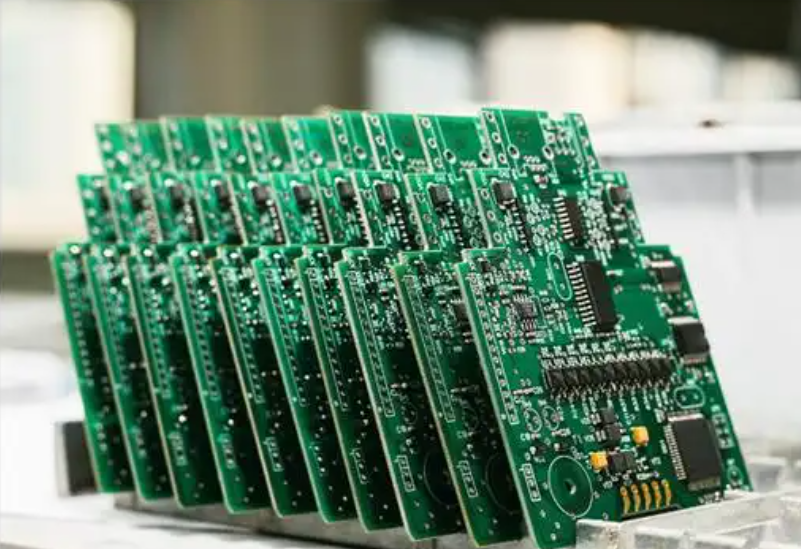
When it comes to small-batch PCBA prototyping, the logic for choosing a factory is completely different from high-volume production. High-volume is about unit price and capacity. Small-batch is about whether the factory is willing to pay attention to you — and whether they actually care.
Let me start with a trap many people have fallen into: you approach a big factory, and the first thing they say is "minimum order 500 pieces." You only need 20 to validate your design. The other 480 sit in your warehouse collecting dust. That's the good scenario — at least they took the order. More often, your order is too small, so it gets pushed to the back of the production queue. Delivery keeps slipping. When you ask, the answer is always "it's in the schedule."
Here's what actually matters for small-batch prototyping:
First, check the minimum order quantity. Some factories support a single-board run. Others won't go below 50. If your project is still in early iteration, choose a factory with a low MOQ. Don't stock up on parts you won't use just because the unit price looks better. At the prototyping stage, the most expensive thing isn't the assembly fee — it's the money sitting in a drawer.
Second, check whether they have a dedicated prototyping line. A mass-production line and a prototyping line are two different things. Some factories set up a dedicated line so small orders don't compete with big ones for scheduling. That's how you get a stable lead time. Without a dedicated line, your 20 boards might have to wait behind someone else's 5,000-piece order.
Third, check whether they do DFM. The value of small-batch prototyping isn't just "soldering the board." It's catching design issues before production starts. Pads too small, clearance insufficient, vias under BGA not properly treated — these problems are cheapest to fix at the prototyping stage. A factory willing to spend time reviewing your DFM is worth more than one that quotes a few dollars cheaper.
Fourth, check whether they've built boards like yours. Boards with BGAs, fine-pitch QFNs, or controlled impedance are a completely different challenge from a standard double-sided board. Ask: "Have you done anything similar recently?" Their reaction will tell you a lot about their real capability.
Fifth, check how communication feels. During small-batch prototyping, engineering questions (EQs) are unavoidable. How fast they respond and how clearly they explain things directly affects your project timeline. A factory that takes half a day to reply "we're checking" versus one that explains the issue clearly within half an hour — the difference in experience is huge.
Let's be honest: when choosing a factory for small-batch prototyping, you're not looking for the cheapest — you're looking for the one that gives you the least headache. Boards that work, delivery dates they actually hit, and someone you can reach when there's a problem. If a factory delivers those three things, paying a little more is worth it.
If you have boards ready for prototyping and aren't sure which factory to choose, send us your Gerber files and BOM. We'll review your design for anything worth flagging upfront — and give you a quote. If it's not a fit, no problem. At least you'll have one more reference point.
Can Your PCBA Survive -40°C?


SEND MESSAGE