
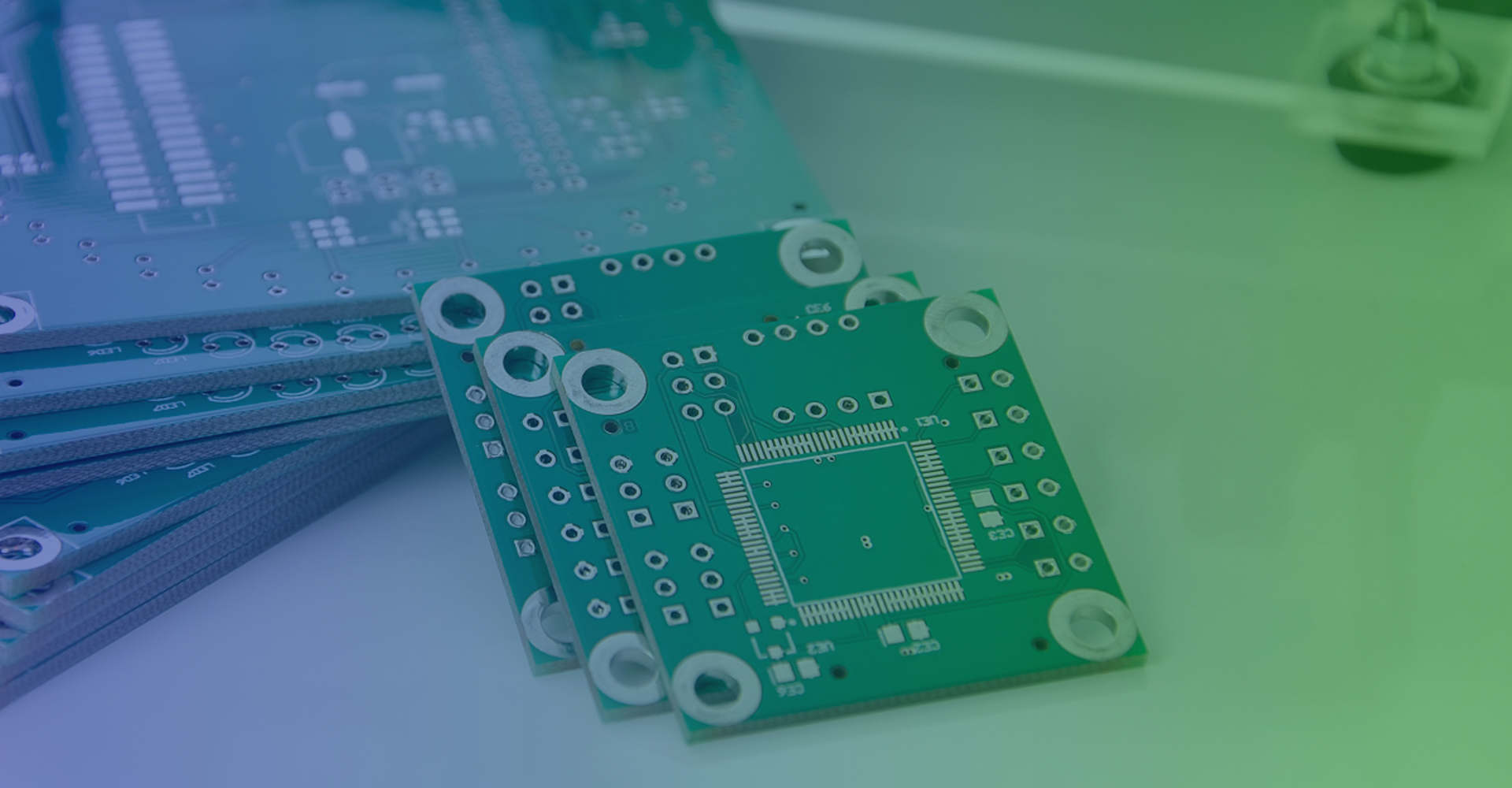
What is PCB?
PCB is short for Printed Circuit Board, also known as printed circuit board, printed circuit board(PCB board), is an important electronic component, is the support body of electronic components, is the provider of electrical connections of electronic components. Because it is produced by electronic printing, it is called a "printed" circuit board.
PCB, which is simply a thin sheet with integrated circuits and other electronic components. It's in almost every kind of electronic device.
If there are electronic parts in a certain device, they are mounted on PCBS of different sizes. In addition to fixing various small parts, the main function of the PCB is to provide electrical connections between the above parts.
As electronic equipment becomes more and more complex, more and more parts are required, and the lines and parts on the PCB are becoming more and more dense. Bare Board (no parts on it) is also often referred to as a "Printed Wiring Board (PWB)". The substrate of the board itself is made of an insulating, non-bendable material. The small wire material that can be seen on the surface is copper foil. Originally, the copper foil is covered on the whole board, and the middle part is etched away during the manufacturing process, and the remaining part becomes a network of small lines. These lines are called conductors (conductor pattern) or wiring, and are used to provide circuit connections for parts on the PCB.
Usually the PCB color is green or brown, which is the color of the solder mask. It is an insulating protective layer that protects the copper wire and prevents parts from being welded to incorrect places. A silk screen is also printed on top of the solder mask. It is usually printed with text and symbols (mostly white) to indicate the position of the parts on the board.
To secure the parts to the PCB, we solder their pins directly onto the wiring. On the most basic PCB (single panel), the parts are concentrated on one side, and the wires are concentrated on the other side. In this way, we need to make holes in the board, so that the connector can pass through the board to the other side, so the connector of the part is welded to the other side. Because of this, the front and back sides of the PCB are called Component Side and Solder Side, respectively.
If there are some parts on the PCB that need to be removed or put back after production, then the Socket will be used when the part is installed. Since the socket is welded directly on the board, the parts can be arbitrarily disassembled.
If you want to connect two PCBS to each other, generally we will use the edge connector commonly known as "golden finger". The gold finger contains many exposed copper pads, which are actually part of the PCB wiring. Usually, when connecting, we insert the gold finger on one PCB into the appropriate Slot on the other PCB (generally called expansion Slot). In computers, such as video cards, sound cards and other similar interface cards, are connected to the main board by the goldfinger.
Printed circuit board The complex circuit copper wire between parts and parts is etched on a board after careful and neat planning, providing the main support body for the installation and interconnection of electronic components, and is an indispensable basic part of all electronic products.
Printed circuit board A flat plate made of a non-conductive material, usually with a design pre-drilled for mounting chips and other electronic components. The holes of the components help to connect the pre-defined metal paths printed on the surface of the board electronically. After the pins of the electronic components are passed through the PCB, a conductive metal electrode is attached to the PCB to form a circuit.
Types of PCBs
The main types of PCBs include:
Single-layer PCBs are the simplest type of PCBs and are coated with a single layer of conducting material and a layer of solder mask. The PCB’s components are marked with a silkscreen.
Double-layer PCBs have a layer of conducting material on both the top and bottom of the board, which gives them more flexibility and a smaller size than single-layer PCBs. Multi-layer PCBs have more than two conductive layers and are used in more complex applications.
Other common types of PCBs include flexible PCBs, rigid PCB, and flex-rigid PCBs.
Main PCB Types
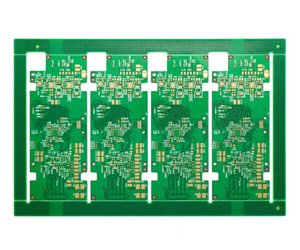
FR4 PCB

HDI PCB

Quick Turn PCB

Multilayer PCB
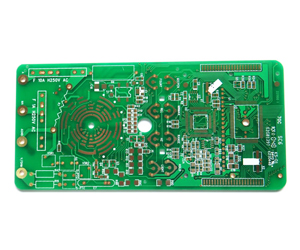
Heavy Copper PCB

Flexible PCB

Rigid-Flex PCB

Aluminum PCB
SEND MESSAGE