
Factors Determining the Cost of Flexible PCB
2026-01-21
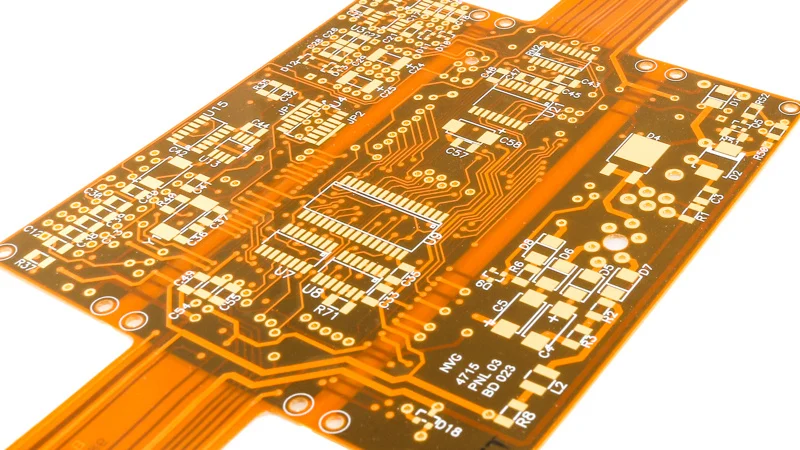
The cost of flexible PCB is determined by a variety of factors, mainly including the following aspects:
Material Costs: This is the core factor. Flexible PCB typically use special substrates such as polyimide (PI) or polyester (PET), which are much more expensive than the FR-4 materials used in rigid PCB. In addition, cover films, adhesives, copper foil (especially rolled copper foil, which is more expensive due to its better bend resistance), and any high-performance protective coatings or stiffener boards that may be required directly increase costs.
Design and Complexity:
Number of Layers: The more layers, the more complex the lamination, alignment, and drilling processes, significantly increasing costs.
Line Precision: The finer the line width/spacing, the higher the requirements for production equipment and processes, and the yield may decrease, thereby increasing costs.
Hole Size and Density: Small hole sizes and high routing density require more precise drilling and imaging techniques.
Shape and Size: Irregular contours, long narrow designs, or low area utilization increase material waste and production difficulty.
Process and Manufacturing Difficulty:
Processing Accuracy: Flexible boards are thin and easily deformed, requiring extremely strict production environment controls (cleanliness, temperature, and humidity), alignment systems, etching, and handling processes.
Special Processes: Processes such as blind/buried vias, rigid-flex connections, selective plating, heat-pressed pads, and stiffener bonding increase both procedures and costs.
Surface Treatment: High-performance surface treatments like ENIG (Electroless Nickel Immersion Gold) or hard gold plating are more expensive than standard OSP (Organic Solderability Preservative).
Production Volume and Yield:
Production Batch Size: Small batch production cannot easily spread out high engineering preparation and initial setup costs, resulting in higher unit prices.
Yield: Material losses, misalignment, scratches, and voids during manufacturing reduce yield, and these loss costs are distributed across the products. Yield is key to controlling costs.
Testing and Certification Requirements:
High-frequency/high-speed signal testing and high-reliability testing (such as bend tests and environmental aging tests) increase time and equipment costs.
Meeting specific certification standards for industries like automotive, medical, or aerospace requires stricter material selection and quality control, which also drives up costs.
What are the application characteristics of PCBA in different industries?
In-depth analysis of PCB surface treatment technology: performance comparison and application choice between ENIG and hard gold plating


SEND MESSAGE