
8-Layer PCB Impedance Control: Why It Matters for Your High-Speed Design
2026-04-13
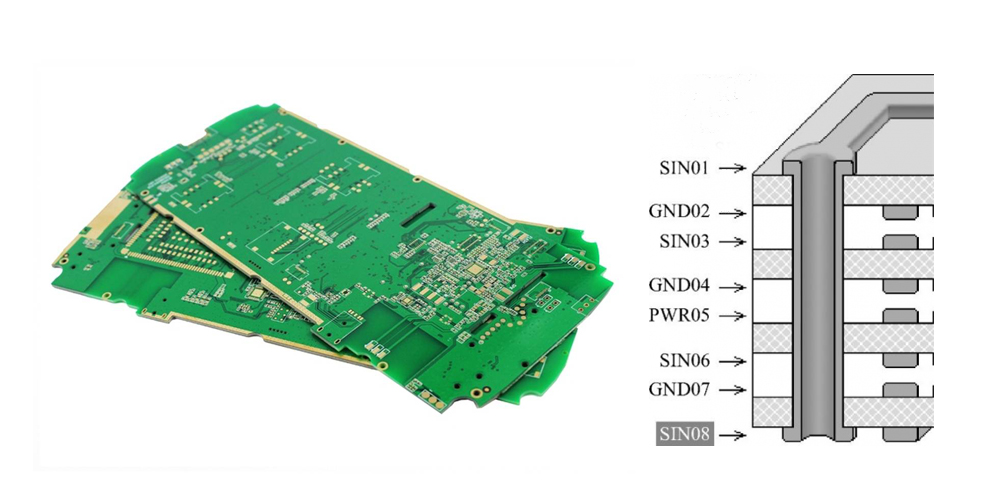
As electronic devices run faster and denser, impedance control becomes critical. Mismatched impedance leads to signal reflections, data errors, and field failures.
At STG Electronic Co., Ltd, we’ve manufactured high-speed PCB for industrial, medical, and communication clients since 2002. Here’s what you need to know.
What Is Impedance Control?
Impedance is the resistance a signal encounters as it travels along a PCB trace. When trace impedance mismatches with components or connectors, signal integrity degrades.
Common issues:
- Reflections – Signal bounces back, causing distortion
- Crosstalk – Traces interfere with each other
- EMI emissions – Unwanted radiation
3 Factors That Affect Impedance
Factor Impact
Trace width & thickness Wider trace = lower impedance
Dielectric thickness Thicker material = higher impedance
Material DK value Lower DK = higher impedance

STG’s engineers review your stackup before production and flag potential mismatches.
How STG Ensures Tight Impedance Tolerance
- Controlled lamination process – Consistent dielectric thickness
- Impedance test coupons – Verified on every production panel
- TDR testing – Measures actual impedance before shipment

Why Choose STG Electronic?
- 24 years of PCBA experience
- ISO9001:2015 certified
- English-speaking engineers for clear communication
Ready to Build High-Speed Boards That Perform?
Send us your Gerber files and stackup. We’ll respond with a free impedance review and a quote—within 24 hours.
5-Day PCBA Prototyping: How STG Electronic Accelerates Your Time-to-Market
BGA Assembly: 3 Common Defects and How to Prevent Them



SEND MESSAGE