
The importance and design requirements of PCBA prototype
2024-01-05
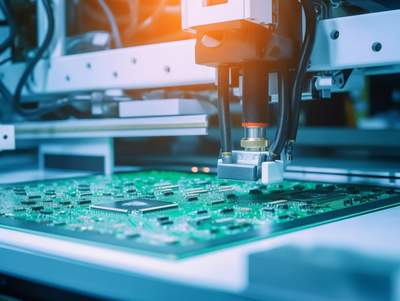
In many ways, the construction of small structures can be more challenging than large ones. This can be done through the construction process of PCBA, especially for the design-build-test or DBT cycle of complex custom design for effective circuit board development. During this critical prototyping phase, the goal is to continuously revise the design until the highest quality board implementation is obtained. When, how, and if this goal is reached depends on the contractor-manufacturer (CM) and their ability to do the right first manufacturing. Before defining the requirements to achieve this milestone, let's clearly define what the CM should be able to provide and when it will be needed.
When does the right first manufacturing matter?
During low- or high-volume production, the ratio of yield or available PCBA to actual manufacturing quantities is expected to be high, if not 100%. For some developers and CMs, this correct first-time (RFT) manufacturing standard does not apply during prototyping or board development. One argument is that building a PCBA prototype is an iterative process designed to optimize quality through redesign evolution, rather than being designed to be delivered to the customer.
Indeed, in some cases, aspects of the design can be relaxed during the manufacturing process until the final prototype is reached. In some cases, the flexibility of PCBA prototype assembly can improve the efficiency of the development process by reducing the cost of components or reducing the number of steps required to mount them onto the board. Even so, for each prototype cycle, the precision or fidelity of the board built according to the current state of the design must be accurate. Failure to meet this requirement can compromise the purpose of the DBT cycle, which is designed to be able to test the operational functionality of the PCBA, and result in unnecessary board rotation, extended turnaround times, additional development costs, and reduced ROI.
How to achieve PCBA manufacturing right the first time in the development process?
As shown above, RFT (also known as "right to first use" (FTR)) manufacturing is equally important for both PCBA development and production. And executing this lean manufacturing CM strategy can serve as a basis for optimizing board building, provided it is supported by:
Correct first-time manufacturing design requirements:
* DFM rules and guidelines for obtaining and incorporating into the CM.
* Ensure that the BOM component data is synchronized with the design data file.
* Provide accurate and complete design data and BOM to CM.
* Utilize digital twin technology to inspect projection panels prior to manufacturing.
*with Work with CM to ensure that any manufacturing adjustments do not adversely affect design intent.
By adopting the above list of requirements and maintaining an open, transparent relationship with your CM, you will provide valuable support for the best way to structure your board. However, RFT manufacturing is only possible if your CM is committed to this high quality standard.
What are the common BGA welding defects and how to deal with them
Why are solder beads produced in PCBA processing and what are the reasons?


SEND MESSAGE