The Applications of PCBA in Industrial Control Products
Introduction
Printed Circuit Board Assembly (PCBA) is a fundamental component in modern industrial control systems. It integrates electronic components onto a PCB, enabling automation, monitoring, and precise control in industrial environments. PCBA-based industrial control products are widely used in manufacturing, energy, transportation, and other sectors, improving efficiency, reliability, and safety.
Key Applications of PCBA in Industrial Control
1. Manufacturing Automation
PCBA is essential in programmable logic controllers (PLCs), motor drives, and robotic control systems. These systems rely on high-performance PCBAs to execute real-time operations, such as assembly line control, precision machining, and quality inspection.
2. Energy Management Systems
Industrial PCBA solutions are used in smart grids, renewable energy systems, and power distribution control. They enable efficient energy monitoring, load balancing, and fault detection in substations and wind/solar farms.
3. Process Control & Monitoring
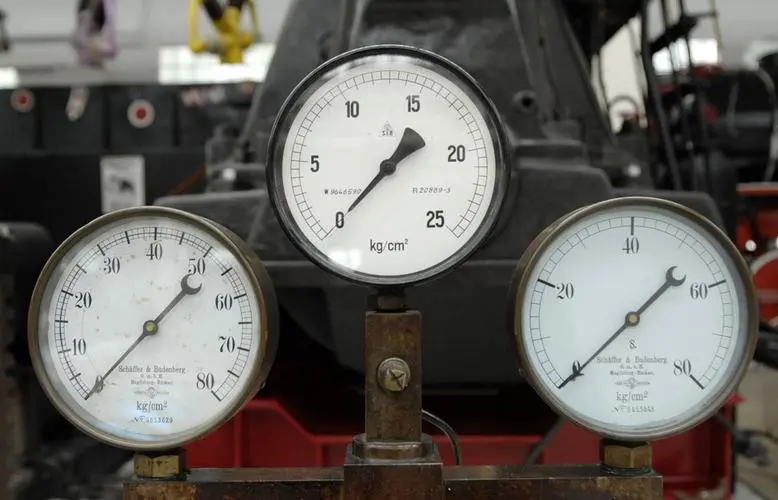
In chemical plants, oil refineries, and water treatment facilities, PCBA-based controllers regulate pressure, temperature, and flow rates. Sensors and embedded systems with PCBAs ensure stable and safe operations.
4. Transportation & Logistics
Industrial PCBAs are found in railway signaling systems, automated guided vehicles (AGVs), and warehouse automation. They enhance logistics efficiency and reduce human intervention in material handling.
5. Building Automation
Smart HVAC (heating, ventilation, and air conditioning), lighting control, and security systems use PCBA modules to optimize energy consumption and improve facility management.
Advantages of PCBA in Industrial Control
-
High Reliability – Designed to withstand harsh conditions (temperature variations, vibrations, and EMI).
-
Scalability – Modular PCBA designs allow for easy upgrades and customization.
-
Cost Efficiency – Mass production reduces costs while maintaining performance.
-
Real-Time Processing – Fast signal processing and communication capabilities.
Future Trends
With advancements in IoT and AI, industrial PCBA products are evolving toward smarter, interconnected systems. Edge computing, predictive maintenance, and wireless connectivity will further enhance industrial automation.
Conclusion
PCBA technology plays a crucial role in industrial control applications, driving automation, efficiency, and innovation across multiple industries. As industrial systems become more intelligent, the demand for high-quality, robust PCBA solutions will continue to grow.
Applications of PCBA LED Products in Modern Technology
The Growing Market Size of PCBA: Trends, Drivers, and Future Outlook