The Application of PCBA Products in the Medical Field
The Application of PCBA Products in the Medical Field
Introduction
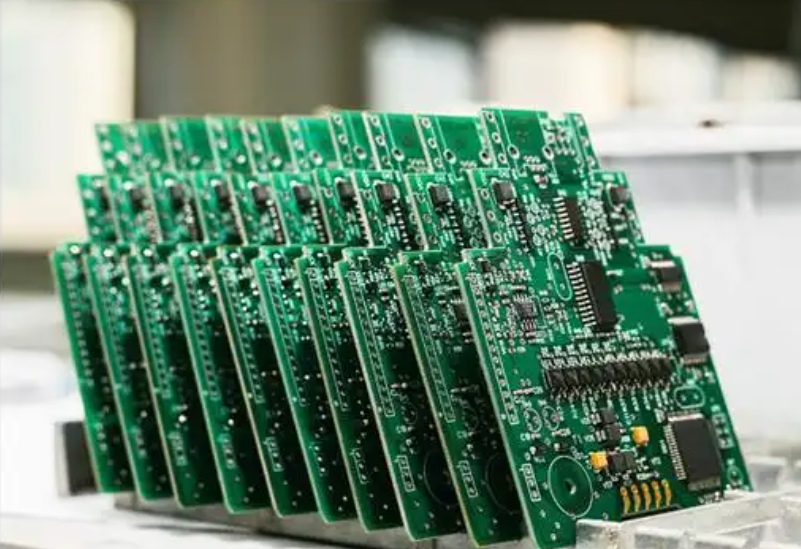
Printed Circuit Board Assemblies (PCBAs) have become indispensable components in modern medical devices, playing a pivotal role in digital healthcare transformation. As medical technology continues to advance, PCBA products serve as the "neural network" of medical equipment, directly determining the precision, safety, and reliability of healthcare devices
Diagnostic Equipment Applications
PCBA technology forms the electronic backbone of modern diagnostic equipment, enabling accurate detection and analysis of physiological parameters and medical imaging.
Medical Imaging Systems:
Advanced imaging modalities like CT scanners, MRI machines, and X-ray equipment rely on high-performance PCBAs with complex electronic components. These systems utilize multilayer stacked PCBA architectures equipped with GPU acceleration chips to achieve real-time reconstruction of scan data. For instance, modern CT machines can achieve image resolutions surpassing 0.2mm³ through sophisticated PCBA designs
Ultrasound Detection Equipment:
Ultrasound systems depend on PCBA technology for signal transmission, processing, and analysis to generate images of internal organs. The quality of these PCBAs directly affects the diagnostic accuracy, with even minor soldering defects potentially compromising image quality and patient safety
Physiological Parameter Monitoring:
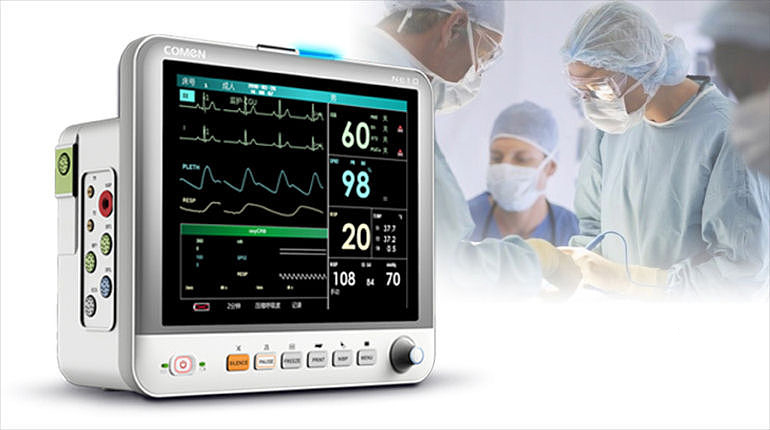
Diagnostic devices such as blood pressure monitors, pulse oximeters, and ECG machines utilize PCBA technology to acquire, process, and display physiological parameters. These devices employ algorithms to analyze the collected data and assess patient health status
Therapeutic Equipment Applications
In therapeutic medical devices, PCBA products enable precise control of treatment parameters to maximize therapeutic effectiveness while minimizing adverse effects on patients.
Radiation Therapy Equipment:
During radiation therapy procedures, PCBAs integrate complex electronic control systems to ensure precise positioning and dose control of radiation sources. This precision directly impacts treatment accuracy and patient safety, with advanced PCBAs reducing targeting errors to sub-millimeter levels
Electrical Stimulation Devices:
The stability and reliability of PCBAs are crucial for ensuring therapeutic effects in devices like cardiac pacemakers and nerve stimulators. These life-sustaining devices regulate patients' physiological functions by controlling the delivery of electrical stimulation through precisely engineered PCBAs
Surgical Assistance Systems:
Advanced surgical equipment such as endoscopic systems and robotic surgical platforms utilize PCBA technology to provide surgeons with clear visualizations and precise operational support. Surgical robots equipped with high-performance PCBAs can perform minimally invasive operations with 0.1mm precision, with tremor filtering algorithms improving surgical accuracy by 300%
Patient Monitoring Solutions
PCBA technology has transformed patient monitoring by enabling real-time tracking of vital signs and facilitating early intervention when abnormalities are detected.
Vital Sign Monitoring:
Modern monitoring systems integrate various sensors (heart rate, blood oxygen, body temperature) through sophisticated PCBA designs. These systems collect patient data through the PCBA and transmit it to monitors in real-time, helping medical staff stay informed about patient status
Remote Monitoring Capabilities:
PCBA technology enables remote patient monitoring through integrated communication modules. These systems can transmit vital sign data from patients to medical centers or physicians' mobile devices, facilitating telemedicine and reducing hospital visits
Emergency Alert Systems:
Patient monitoring equipment incorporates emergency alarm systems through PCBA integration. When a patient's vital signs become abnormal, the device immediately sends alerts to notify medical staff, enabling timely intervention
Personal Health Management Devices
The proliferation of wearable technology and smart home health devices has been made possible through advancements in PCBA miniaturization and power efficiency.
Wearable Medical Devices:
PCBA technology is increasingly used in wearable medical devices like smartwatches and health monitors. These devices enable real-time monitoring and recording of physiological parameters such as heart rate, blood pressure, and blood glucose through the integration of small, portable PCBAs
Health Data Analysis:
Modern PCBAs not only support data collection and transmission but also provide users with health advice through integrated data processing and analysis algorithms. These algorithms can detect potential health issues and provide early warnings, contributing to preventive healthcare
Smart Home Health Solutions:
PCBA technology enables health monitoring devices in smart home environments, allowing users to easily track health metrics and understand trends in their physical condition. These solutions are particularly valuable for elderly care and chronic disease management
Rehabilitation and Long-term Care Equipment
PCBA technology plays a vital role in rehabilitation devices and long-term care solutions, helping patients recover function and maintain independence.
Rehabilitation Robotics:
Modern rehabilitation robots require PCBAs with low latency and high structural reliability. Customized solutions using HDI high-density routing and high-speed signal layers can reduce control delays to 1ms (60% improvement over traditional solutions) while maintaining positioning accuracy of ±0.5mm for repetitive motions
Physical Therapy Devices:
Equipment for electrical stimulation, magnetic therapy, and other physical treatments require precise control of energy parameters. Multi-channel independent regulation circuit structures can control energy output errors within ±3%, meeting different patients' treatment needs
Long-term Reliability Solutions:
For rehabilitation and monitoring devices designed for prolonged use, specialized reliability control systems are essential. These include sweat-resistant surface treatments (8μm nickel layer + 0.5μm gold layer) that maintain performance after 5000 hours of artificial sweat immersion tests, with coating corrosion area less than 1%
Medical PCBA Manufacturing Challenges
The medical field imposes exceptionally stringent requirements on PCBA manufacturing due to the critical nature of healthcare applications.
Zero-Defect Manufacturing:
Medical devices must comply with international safety certifications like IEC 60601, requiring PCBA defect rates below one part per million (ppm level). This necessitates comprehensive inspection processes including SPI solder paste inspection, 3D AOI optical inspection, and X-ray solder joint透视
Miniaturization and High Density:
Portable devices like glucose meters and capsule endoscopes require PCBAs that integrate hundreds of components in spaces as small as a fingernail. This demands SMT production lines capable of handling 01005 ultra-miniature components with placement accuracy of ±0.025mm
Extreme Environment Reliability:
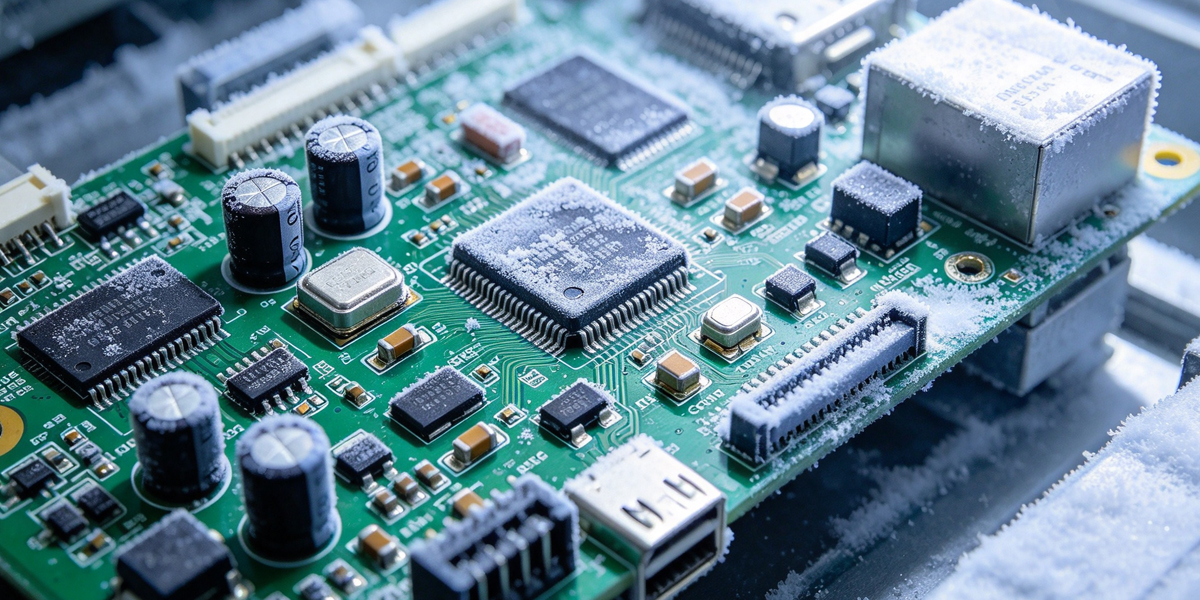
Medical devices must function reliably in diverse environments, from -40°C cold chain transportation to 85% humidity operating rooms. PCBA reliability testing includes temperature cycling (-55°C~125°C), mechanical vibration (20~2000Hz), and salt spray corrosion tests to verify long-term stability
Regulatory Compliance:
PCBA manufacturers serving the medical industry must achieve ISO 13485 medical device quality management system certification, ensuring processes meet the healthcare sector's exacting standards
Key Technologies in Medical PCBA
Several advanced technologies enable PCBA products to meet the demanding requirements of medical applications.
High-Density Interconnect (HDI):
HDI technology uses microvias and blind vias to achieve multilayer routing in limited spaces, meeting high-speed signal transmission requirements in imaging equipment
Flexible Printed Circuits (FPC):
FPC finds applications in endoscopic devices, capsule robots, and other flexible medical equipment, enabling signal connections in complex spaces
Low-Power Design:
Medical devices, particularly wearables, require ultra-low-power designs using efficient MCUs and power management ICs to extend battery life
Intelligent Features:
Integration of AI chips and wireless communication modules enables remote monitoring and data analysis capabilities in medical devices
EMI/EMC Considerations:
Medical PCBAs require careful electromagnetic interference design to prevent interference with sensitive medical measurements while ensuring immunity to external electromagnetic fields
Future Trends in Medical PCBA
The medical PCBA field continues to evolve, driven by technological advancements and changing healthcare needs.
Higher Integration:
Future medical devices will achieve greater functionality in smaller form factors through advanced packaging technologies that integrate sensors, processors, and memory into single modules
Enhanced Reliability:
Development of new materials resistant to high temperatures, corrosion, and mechanical stress will allow medical PCBAs to withstand even more challenging environments
Smarter Functionality:
Integration of edge computing capabilities will enable real-time data analysis and decision-making at the device level
Wireless Connectivity:
Advanced wireless technologies like 5G, Wi-Fi 6, and ultra-wideband will enable faster, more reliable data transmission from medical devices
Personalized Medicine:
PCBA technology will support the development of more personalized medical devices that can adapt to individual patient needs and treatment responses
Sustainability Focus:
Medical PCBA manufacturing will increasingly incorporate eco-friendly materials and processes while maintaining stringent performance requirements
Conclusion
PCBA products have become fundamental components in modern medical technology, serving as the electronic foundation for diagnostic equipment, therapeutic devices, patient monitoring systems, and personal health management solutions. The unique requirements of medical applications—extreme reliability, precision, and miniaturization—have driven significant advancements in PCBA technology and manufacturing processes. As healthcare continues its digital transformation, PCBA innovation will play an increasingly vital role in enabling smarter, more connected, and more personalized medical devices. From AI-enhanced diagnostic tools to implantable therapeutic systems, PCBA technology remains at the heart of medical innovation, improving healthcare quality, efficiency, and accessibility worldwide. With ongoing developments in materials, manufacturing techniques, and intelligent features, medical PCBAs will continue to push the boundaries of what's possible in patient care and treatment outcomes.
3D-Printed PCB: Revolutionizing Prototype Manufacturing for More Efficient and Faster Custom PCBA
PCBA Manufacturing Market Trends and Outlook for 2025