
Practical Tips for Improving PCBA Soldering Quality
2026-03-16
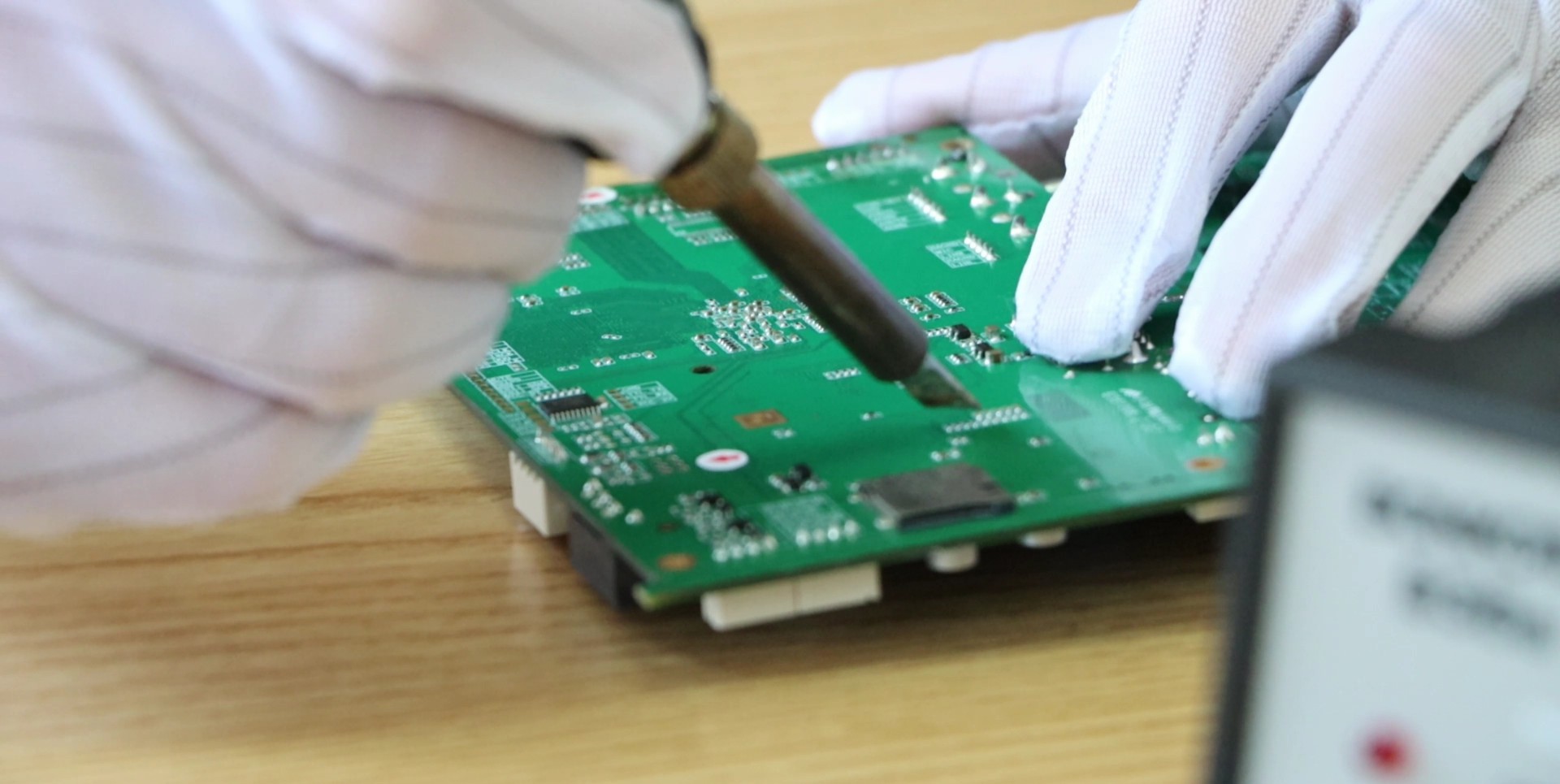
PCBA surface mount soldering technology is an important process in electronics manufacturing, which directly solder electronic components onto the printed circuit board (PCB) to enhance circuit integration and reliability. However, as a high-precision technology, PCBA surface mount soldering requires attention to certain aspects during operation to ensure soldering quality. This article will explore the key considerations for PCBA surface mount soldering.
1. Component Storage and Handling
Before PCBA surface mount soldering, it is essential to pay attention to component storage and handling. Electronic components should be stored in a moisture-proof and dry environment to avoid the effects of heat, humidity, and other environmental factors, ensuring the quality of the components during mounting. Prior to soldering, components may also need certain treatments, such as placing them in vacuum chambers to remove gases and minimize their impact.
2. PCB Surface Preparation
Before surface mount soldering, the PCB surface needs to be properly prepared to ensure the solder joints adhere correctly to the PCB. Typically, the PCB surface requires metallization, removal of oil, dirt, and surface oxides. Additionally, the PCB surface must be checked for flatness to ensure components are mounted in the correct positions.
3. Using the Correct Soldering Temperature
Soldering temperature is one of the key factors in PCBA surface mount soldering. Too low or too high a temperature can negatively affect solder joint quality. Generally, the appropriate soldering temperature should be determined based on the characteristics of the components and the contact area, avoiding overheating that could damage the components or cause solder joint failure.
4. Choosing the Right Soldering Machine
It is also important to select the appropriate soldering machine during the PCBA surface mount soldering process. Usually, the choice of soldering machine depends on the size, shape of the components, and soldering quality requirements, ensuring effective and high-quality surface mount soldering.
5. Using Suitable Soldering Materials
Attention must be paid to using the correct soldering materials. Selecting appropriate solder wire ensures good flowability and dependable connections at high temperatures. Simultaneously, the chosen solder wire must meet environmental requirements, avoiding solder materials containing harmful substances such as lead.
In summary, PCBA surface mount soldering is a high-precision technology that requires strict adherence to key considerations during operation to ensure soldering quality and circuit reliability. Proper component storage and handling, PCB surface preparation, correct soldering temperature, suitable soldering machines, and appropriate soldering materials are all critical factors for ensuring surface mount soldering quality. We believe that by carefully following these guidelines, both the efficiency and quality of PCBA surface mount soldering can be improved.
Methods to Reduce PCBA Costs Through PCB Design
What are the surface assembly methods for PCBA processing?


SEND MESSAGE