
Has Your PCBA Board Really Been Functionally Tested?
2026-11-19
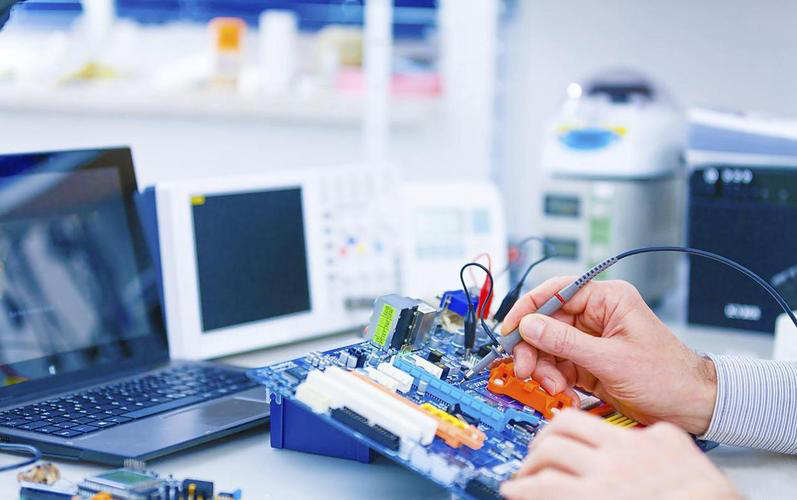
Many buyers and engineers assume that once a PCBA board is assembled, scanned by AOI, and checked by X-ray, it has been "tested." But those inspections check solder joints and placement — not whether the board actually works when powered on.
True functional testing means powering up the board, simulating its real operating conditions, and verifying that power rails come up, firmware boots, communication interfaces work, and sensor readings are correct. A board can be perfectly soldered, pass AOI, show no voids under X-ray — and still fail to start when powered. That is something only functional testing can catch.
The problem is that functional testing is not a "default action." It requires a test plan, a fixture, and clear pass criteria for each function. Without these, the production line won't do it proactively — or will only perform the simplest continuity check, which is not functional testing.
More realistically, many boards ship with only ICT and AOI performed. ICT checks "is it soldered correctly," AOI checks "is it placed correctly" — neither answers "does this board work." Functional testing answers exactly that question.
So next time you receive a PCBA, ask: Has this board been powered on and run? Which functions were tested? What were the pass criteria? If the other side can't answer, then the so-called "testing" may just look like testing.
Is the PCBA Expedite Fee Worth It? First, Understand What You're Actually Paying For
Related Article


SEND MESSAGE