
Should PCB impedance be higher or lower?
2026-07-07
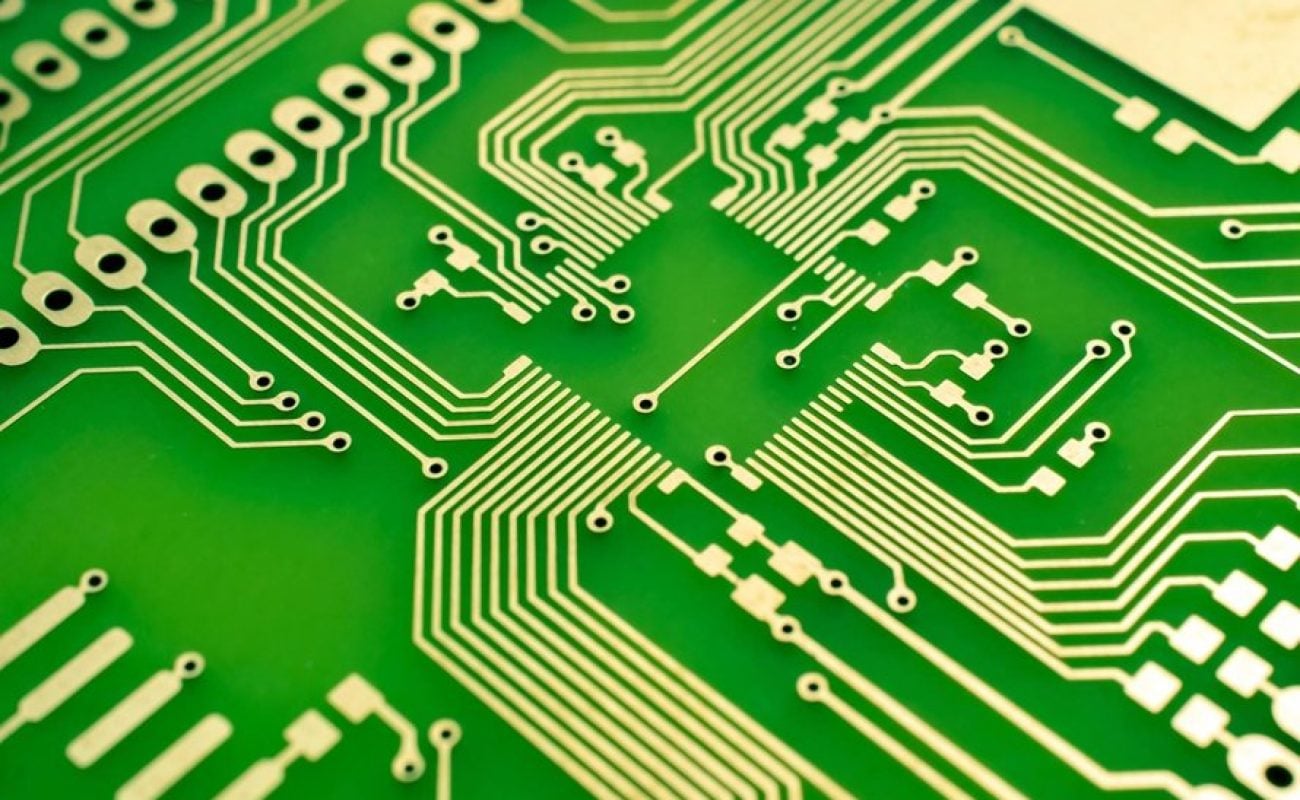
In the field of high-speed PCB design, many junior engineers hold a common misconception about whether impedance should be higher or lower. In reality, PCB impedance is neither better when higher nor better when lower – the key is matching.
The characteristic impedance of a PCB trace is determined by trace width, copper thickness, dielectric thickness, and dielectric constant. Common values include 50Ω, 75Ω, 90Ω, and 100Ω. Impedance mismatch leads to signal reflections, causing ringing, overshoot, undershoot, and in severe cases, bit errors or system failure.
When impedance is too high:
- The driver experiences a heavier load, slowing down signal rise time
- Increased susceptibility to EMI (electromagnetic interference), radiating noise outward
- Higher sensitivity to parasitic capacitance, reducing timing margins
When impedance is too low:
- Signal current increases, worsening crosstalk
- Higher power consumption and increased load on the driver chip
- Reflection issues also occur, though with the opposite polarity of reflection coefficient
Modern PCB design follows the principle of impedance matching – the transmission line impedance should match both the source output impedance and the load input impedance. In practice, impedance selection requires comprehensive consideration of multiple factors.
There is no absolute rule on whether PCB impedance should be higher or lower. The goal of the designer is not to pursue extreme impedance values, but to ensure that the transmission line impedance matches the system impedance through precise calculation and simulation, keeping the reflection coefficient within ±10%. In the era of high-speed design, "appropriate" is always more important than "higher or lower" – matching is the best you can achieve.
So the next time you find yourself wondering whether impedance should be higher or lower, remember the answer is simple: matching is best. As a factory with 24 years of PCBA manufacturing experience, STG Electronic understands not only production but also the physics behind the design. If you are facing impedance control challenges in your design, or if you want to verify whether your stackup is reasonable, feel free to send us your design files. We don't just build boards – we help you get the design right.
The Four Core Challenges in SMT Assembly Quality Control
PCB Material Prices Are Rising – What Should PCBA Buyers Do?



SEND MESSAGE