
Automotive PCBs Boom as EVs and ADAS Systems Require More Complex Designs
author: Jason
2025-07-15
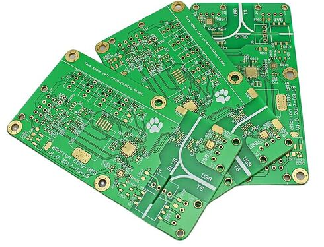
The automotive PCB (printed circuit board) market is experiencing unprecedented growth, driven by the rapid adoption of electric vehicles (EVs) and advanced driver-assistance systems (ADAS). As vehicles become more connected, autonomous, and electrified, the demand for high-performance, multi-layer PCBs is surging. Industry analysts predict the automotive PCB market will grow at a CAGR of 8-12% over the next five years, reaching $12-15 billion by 2030.
Key Drivers of Automotive PCB Demand
1. Electric Vehicles (EVs) Require More PCBs Than Traditional Cars
Unlike conventional internal combustion engine (ICE) vehicles, EVs rely heavily on complex PCB assemblies for:
1. Electric Vehicles (EVs) Require More PCBs Than Traditional Cars
Unlike conventional internal combustion engine (ICE) vehicles, EVs rely heavily on complex PCB assemblies for:
Battery management systems (BMS) – Ensures safe and efficient power distribution
Motor control units (MCUs) – Regulates electric motor performance
Onboard chargers (OBCs) & DC-DC converters – Manages power flow between battery and vehicle systems
Infotainment & connectivity modules – Supports touchscreens, 5G, and V2X communication
EVs typically use 3-5x more PCBs than traditional cars, with a shift toward high-reliability, high-current PCBs (e.g., heavy copper and insulated metal substrates).
Motor control units (MCUs) – Regulates electric motor performance
Onboard chargers (OBCs) & DC-DC converters – Manages power flow between battery and vehicle systems
Infotainment & connectivity modules – Supports touchscreens, 5G, and V2X communication
EVs typically use 3-5x more PCBs than traditional cars, with a shift toward high-reliability, high-current PCBs (e.g., heavy copper and insulated metal substrates).
2. ADAS and Autonomous Driving Demand High-Density PCBs
Modern ADAS features—such as adaptive cruise control, lane-keeping assist, and automatic emergency braking—require:
Modern ADAS features—such as adaptive cruise control, lane-keeping assist, and automatic emergency braking—require:
High-density interconnect (HDI) PCBs – Supports miniaturized sensors and processors
Flexible & rigid-flex PCBs – Used in compact camera and LiDAR modules
High-frequency PCBs – Essential for radar and 5G vehicle communication
As automakers push toward Level 4 and Level 5 autonomy, PCB complexity will further increase, requiring advanced thermal management and signal integrity solutions.
Flexible & rigid-flex PCBs – Used in compact camera and LiDAR modules
High-frequency PCBs – Essential for radar and 5G vehicle communication
As automakers push toward Level 4 and Level 5 autonomy, PCB complexity will further increase, requiring advanced thermal management and signal integrity solutions.
Challenges in Automotive PCB Manufacturing
While demand is soaring, manufacturers face several hurdles:
While demand is soaring, manufacturers face several hurdles:
Strict reliability standards – Automotive PCBs must withstand extreme temperatures, vibrations, and moisture (e.g., AEC-Q200 certification)
Supply chain bottlenecks – Shortages of high-quality laminates and IC substrates delay production
Design complexity – EV and ADAS systems require multi-layer, high-speed PCBs, increasing fabrication costs
Key Players and Market Trends
1. Asia Leads Production, But Localization Efforts Grow
China, Taiwan, and South Korea dominate automotive PCB manufacturing, with companies like
Unimicron (Taiwan) – Major supplier for Tesla and other EV makers
Samsung Electro-Mechanics (Korea) – Produces ADAS-focused HDI PCBs
Shennan Circuits (China) – Expands capacity for EV battery PCBs
U.S. and Europe push for local PCB production to reduce reliance on Asian suppliers, driven by:
The U.S. CHIPS Act – Incentivizes domestic PCB and semiconductor manufacturing
EU regulations – Encourages sustainable and high-reliability PCB sourcing
2. Emerging Technologies Shaping the Future
Embedded components – Reduces PCB size while improving performance
Thermal management solutions – Key for high-power EV applications
AI-driven PCB design – Accelerates development cycles for complex layouts
Outlook: A High-Growth Market with Evolving Requirements
The automotive PCB industry is set for long-term expansion, fueled by:
✔ Rising EV adoption (projected 30% of global car sales by 2030)
✔ Increasing ADAS penetration (over 70% of new cars to include L2+ autonomy by 2027)
✔ Advancements in connected car technologies (5G, V2X, and over-the-air updates)
Supply chain bottlenecks – Shortages of high-quality laminates and IC substrates delay production
Design complexity – EV and ADAS systems require multi-layer, high-speed PCBs, increasing fabrication costs
Key Players and Market Trends
1. Asia Leads Production, But Localization Efforts Grow
China, Taiwan, and South Korea dominate automotive PCB manufacturing, with companies like
Unimicron (Taiwan) – Major supplier for Tesla and other EV makers
Samsung Electro-Mechanics (Korea) – Produces ADAS-focused HDI PCBs
Shennan Circuits (China) – Expands capacity for EV battery PCBs
U.S. and Europe push for local PCB production to reduce reliance on Asian suppliers, driven by:
The U.S. CHIPS Act – Incentivizes domestic PCB and semiconductor manufacturing
EU regulations – Encourages sustainable and high-reliability PCB sourcing
2. Emerging Technologies Shaping the Future
Embedded components – Reduces PCB size while improving performance
Thermal management solutions – Key for high-power EV applications
AI-driven PCB design – Accelerates development cycles for complex layouts
Outlook: A High-Growth Market with Evolving Requirements
The automotive PCB industry is set for long-term expansion, fueled by:
✔ Rising EV adoption (projected 30% of global car sales by 2030)
✔ Increasing ADAS penetration (over 70% of new cars to include L2+ autonomy by 2027)
✔ Advancements in connected car technologies (5G, V2X, and over-the-air updates)
To stay competitive, PCB manufacturers must invest in:
? Advanced materials (e.g., high-speed substrates for radar PCBs)
? Automation and smart factories (to improve yield and reduce costs)
? Stronger partnerships with automakers (for co-development of next-gen PCBs)
? Advanced materials (e.g., high-speed substrates for radar PCBs)
? Automation and smart factories (to improve yield and reduce costs)
? Stronger partnerships with automakers (for co-development of next-gen PCBs)
Conclusion
The automotive PCB market is undergoing a transformational boom, driven by the EV revolution and autonomous driving trends. While Asia remains the production powerhouse, geopolitical and supply chain concerns are pushing Western manufacturers to reshore production. Companies that can deliver high-reliability, high-complexity PCBs will lead this rapidly evolving industry.
The automotive PCB market is undergoing a transformational boom, driven by the EV revolution and autonomous driving trends. While Asia remains the production powerhouse, geopolitical and supply chain concerns are pushing Western manufacturers to reshore production. Companies that can deliver high-reliability, high-complexity PCBs will lead this rapidly evolving industry.
Cutting-Edge PCB Technologies Shaping the Future of Electronics
Methods for Waterproofing, Moisture-proofing, and Corrosion Resistance in PCBA Circuit Boards


SEND MESSAGE