The Growing Market Size of PCBA: Trends, Drivers, and Future Outlook
Introduction
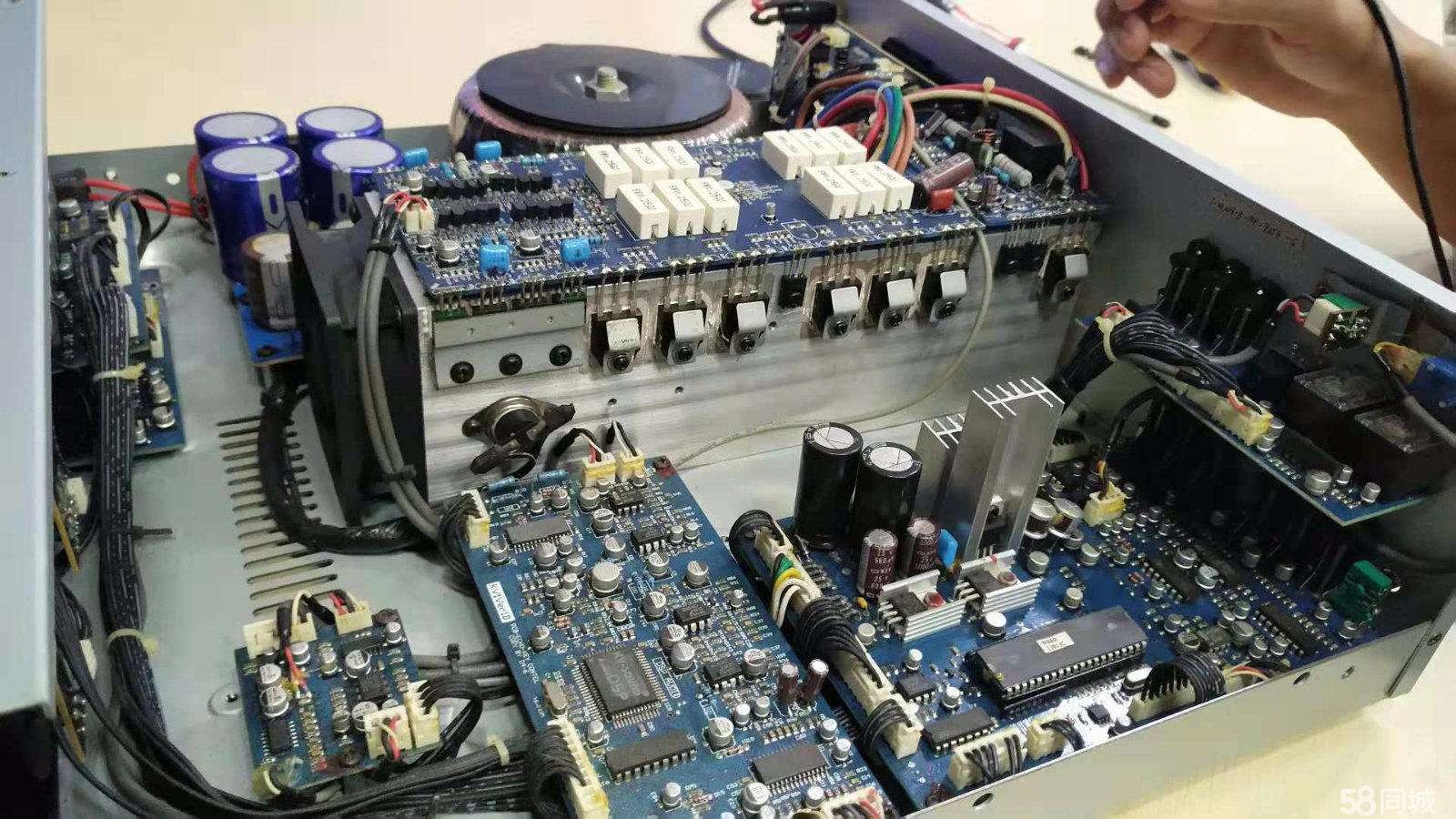
Printed Circuit Board Assembly (PCBA) is a critical component in modern electronics, serving as the backbone of devices ranging from consumer gadgets to industrial machinery. As the demand for smart and connected devices surges, the global PCBA market continues to expand. This article explores the current market size, key growth drivers, industry trends, and future projections for PCBA.
Current Market Size and Growth Trends
According to recent market research, the global PCBA market was valued at approximately USD 70 billion in 2024 and is projected to grow at a compound annual growth rate (CAGR) of 6-8% from 2025 to 2030. This growth is fueled by increasing demand across multiple industries, including:
-
Consumer Electronics (smartphones, wearables, smart home devices)
-
Automotive (EVs, ADAS, infotainment systems)
-
Industrial Automation (IoT, robotics, control systems)
-
Medical Devices (diagnostic equipment, wearable health monitors)
-
Telecommunications (5G infrastructure, networking hardware)
Asia-Pacific dominates the PCBA market, accounting for over 50% of global production, with China, Taiwan, South Korea, and Japan being key manufacturing hubs. North America and Europe also show strong demand, particularly in high-reliability applications like aerospace and defense.
Key Drivers of Market Expansion
Several factors contribute to the robust growth of the PCBA industry:
-
Rising Demand for Smart and Connected Devices
-
The proliferation of IoT, AI, and 5G technologies drives the need for advanced PCB assemblies.
-
Smart home devices, wearables, and automotive electronics require high-density, miniaturized PCBA solutions.
-
-
Growth in Electric Vehicles (EVs) and Automotive Electronics
-
Modern vehicles incorporate numerous PCBA-based systems, including battery management, ADAS, and infotainment.
-
The shift toward autonomous and electric vehicles accelerates demand for reliable PCB assemblies.
-
-
Advancements in PCB Technology
-
High-density interconnect (HDI), flexible PCBs, and multi-layer boards enable compact, high-performance electronics.
-
Innovations in materials (e.g., high-frequency laminates) improve signal integrity for 5G and AI applications.
-
-
Increasing Outsourcing to EMS Providers
-
Many OEMs rely on Electronics Manufacturing Services (EMS) providers for cost-effective, scalable PCBA production.
-
Contract manufacturers in Asia offer competitive pricing and rapid prototyping capabilities.
-
-
Government and Industry Regulations
-
Stricter environmental regulations (e.g., RoHS, REACH) push manufacturers toward lead-free and sustainable PCBA processes.
-
Defense and medical sectors require high-reliability PCBAs with stringent quality certifications (e.g., IPC-A-610, ISO 13485).
-
Challenges and Market Constraints
Despite strong growth, the PCBA industry faces several challenges:
-
Supply chain disruptions (e.g., semiconductor shortages, raw material price fluctuations).
-
Rising labor costs in traditional manufacturing hubs like China, leading to shifts toward Vietnam, India, and Mexico.
-
Technical complexities in high-frequency and miniaturized PCBAs, requiring advanced manufacturing expertise.
Future Outlook (2025-2030)
The PCBA market is expected to maintain steady growth, driven by:
-
Expansion of AI and edge computing, requiring high-performance PCB assemblies.
-
Growth in renewable energy systems, such as solar inverters and energy storage solutions.
-
Adoption of Industry 4.0, increasing demand for automation and smart factory-compatible PCBAs.
By 2030, the global PCBA market could exceed USD 100 billion, with Asia remaining the dominant production center while North America and Europe focus on high-value, specialized applications.
Conclusion
The PCBA market is a vital segment of the electronics industry, supported by technological advancements and rising demand across multiple sectors. As innovation continues in IoT, automotive, and telecommunications, PCBAs will remain essential for next-generation electronics. Companies investing in advanced manufacturing, automation, and sustainable practices will be well-positioned to capitalize on this expanding market.
The Applications of PCBA in Industrial Control Products
The Evolution and Future Trends of PCBA Manufacturing Equipment