
Analysis of the key differences between SMT and DIP in PCBA processing
2026-03-09
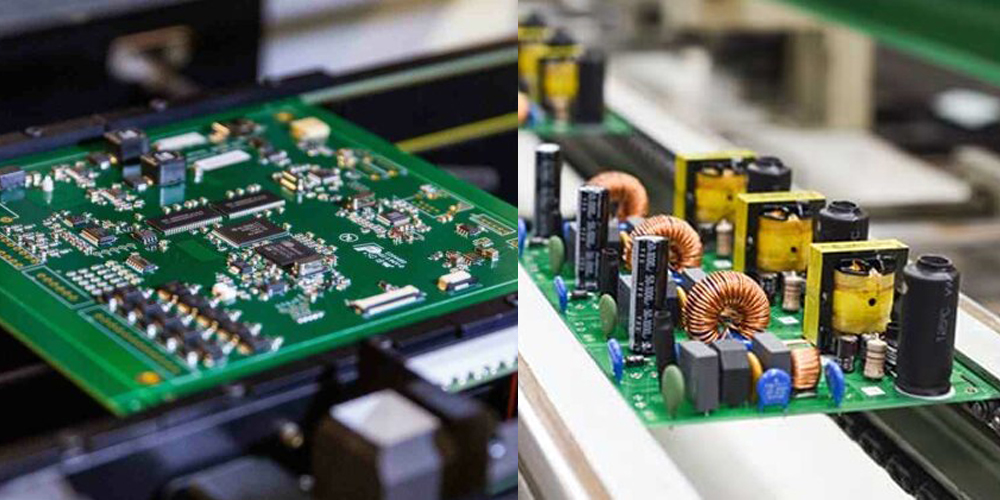
In PCBA (Printed Circuit Board Assembly) processing, SMT (Surface Mount Technology) and DIP (Dual In-Line Packaging/Plug-in Technology) are two core processes. They are not substitutions, but complementary processes that divide labor and work together according to the type of component and product requirements. Here's a breakdown of the key differences between the two:
1. The shape of the components is different from the installation method
SMT: Deals with chip components (e.g., resistors, capacitors, ICs). These components are small, lightweight, and have no or only very short pins. During installation, components are precisely applied to pads on the surface of the PCB.
DIP: Deals with plug-in components (e.g. connectors, electrolytic capacitors, transformers, relays). These components are usually large or have special heat dissipation requirements and have long pins. For mounting, the pins are inserted into the preset vias on the PCB.
2. The welding process is different from the technical core
SMT: The core process is reflow soldering. First, the solder paste is printed on the pad, and after the placement machine places the components, the PCB enters the reflow oven. The solder paste is melted at high temperatures, and after cooling, the components are securely soldered to the board.
DIP: The core process is wave soldering or hand welding. After the component insertion is completed, the underside of the PCB is subjected to a molten liquid solder wave that connects the pins to the through-hole pad using solder filling and cooling. For a small number of components that cannot be passed through the oven, manual soldering iron soldering is also used.
3. Production automation is not the same as efficiency
SMT: Highly automated. The placement machine can place several or even dozens of components per second, with high precision and speed, suitable for large-scale automated production.
DIP: Automation is difficult. Although automatic plug-in machines exist, manual insertion is still required for many special-shaped components (e.g. LEDs with wires, relays that cannot withstand machine stress). Therefore, the DIP segment is often the most manpower-intensive and relatively low production efficiency link in PCBA processing.
4. The space utilization of the circuit board is different
SMT: Components can be mounted on both sides, and the small size of the components makes the PCB extremely space-efficient, which is the key to achieving thinness and shortness of electronic products.
DIP: Components take up a large space and the vias run through multiple layers of boards, limiting the routing space. However, through-hole welding has higher structural strength and better shock resistance, making it suitable for components that need to withstand physical plugging and unplugging or larger currents.
In actual PCBA processing, a fully functional circuit board is often a combination of SMT DIP: SMT SMT (over-reflow soldering) is carried out first, and then DIP plug-in (over-wave soldering) is carried out, so as to take into account the needs of high-density integration and high-reliability connection.
The Soul of PCBA Processing: Demystifying the Importance of Chip Burning
The necessity of the post-soldering process in PCBA processing


SEND MESSAGE