
What is SMT Machining? What preparations do I need to do before SMT machining?
2026-01-30
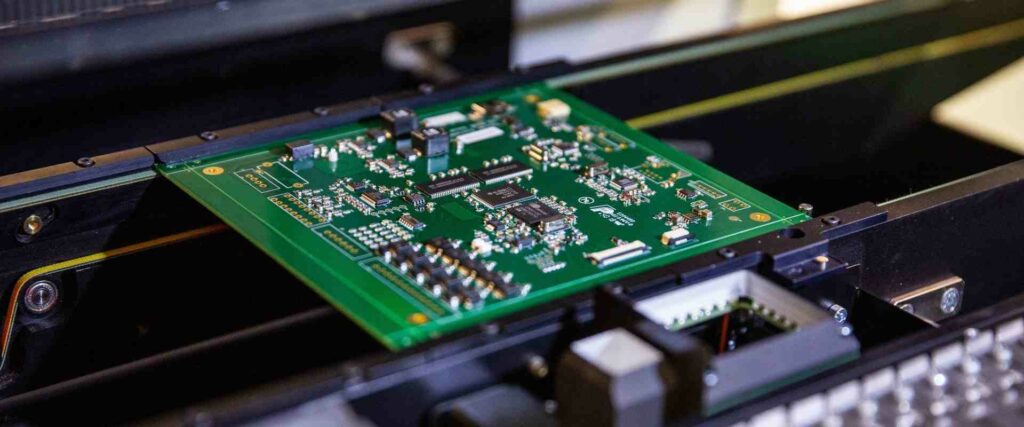
SMT (Surface Mount Technology) processing is the core process of modern electronic assembly, which achieves high density, miniaturization, and high performance of electronic products by directly mounting and soldering microelectronic components (such as resistors, capacitors, chips, etc.) on the surface of printed circuit boards (PCBs). Compared with traditional perforated plug-in technology, SMT has significant advantages such as high assembly density, fast production efficiency, strong reliability and easy automated production, and is widely used in consumer electronics, communication equipment, automotive electronics, medical instruments and other fields.
Systematic and meticulous preparation is essential before SMT machining, which is key to ensuring production quality and efficiency. The preparation mainly includes the following aspects:
1. Design and Document Preparation: This is the starting point for SMT processing. Complete and accurate Gerber files (for PCB manufacturing), BOMs (bill of materials), and coordinate files (indicating the exact placement location of each component) are required. The design must consider the SMT process requirements, such as pad size, component spacing, heat dissipation design, etc., to avoid subsequent soldering defects or component interference.
2. PCB preparation: The PCB board to be placed must be manufactured and strictly inspected. Focus on checking whether the solderability of the pad (such as the degree of oxidation), whether the surface coating (such as tin spraying, immersion gold, etc.) is intact, and whether there is physical damage such as deformation and scratches. Often, PCBs are baked before they are put on the production line to remove moisture that may be absorbed and prevent "popcorn" during soldering.
3. Component preparation and material management: According to the BOM list, prepare all the required SMD (surface mount device) components of the required model and specification. Materials must be inspected by IQC (Incoming Quality Control) to ensure that their electrical properties, package size, and solder end materials meet the requirements. For moisture-sensitive components (such as BGA, QFP, etc.), they must be vacuum-packed, dried and stored in strict accordance with the MSD (moisture-sensitive device) grade, and baked and dehumidified before use.
4. Stencil and process document preparation: Stencil (also known as SMT Stencil) is a key fixture used to accurately leak solder paste onto PCB pads. It needs to be designed and made according to Gerber files, and the size and shape of the opening directly affect the amount of solder paste. At the same time, it is necessary to prepare detailed SMT process operation instructions to clarify the parameters of each process (printing, placement, reflow soldering) (such as scraper pressure, speed, placement coordinates, furnace temperature curve, etc.).
5. Programming and calibration of production line equipment: According to the coordinate file, the placement program is prepared for the automatic placement machine, and its visual positioning system is calibrated. At the same time, debugging and parameter setting of solder paste printing machines, reflow ovens and other equipment, such as setting the reflow temperature curve (four stages of preheating, constant temperature, reflow, and cooling) that match the characteristics of the solder paste and PCB used.
6. First article verification (FAI): Before mass production, trial production of the first article must be carried out. Through visual inspection, AOI (automatic optical inspection) or X-ray inspection, the printing quality of the solder paste, the placement accuracy of components, and the reflow soldering effect are comprehensively verified, and all parameters are set correctly before formal mass production can be started.
Adequate preparation is the cornerstone of smooth SMT processing and high reliability of the final product, and omissions in any link can lead to batch quality problems.
What are the steps for soldering and inspecting the first PCB assembly board?
The demand for precision medicine has surged, and high-end medical equipment PCBA has entered the dual extreme challenge of "miniaturization and reliability"


SEND MESSAGE