
What are the surface assembly methods for PCBA processing?
2026-03-13
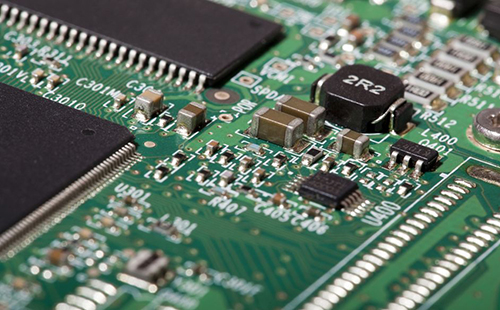
The surface assembly method in PCBA processing is mainly selected based on the type and distribution of components, and the core is to efficiently and reliably solder surface mount components (SMDs) and through-hole cartridge components (THDs) on the circuit board. The specific methods can be divided into the following types:
Surface Mount Technology (SMT)
Surface Mount Technology (SMT) is one of the most commonly used surface assembly methods in the electronic assembly industry. SMT primarily uses automated production equipment to solder surface-mount components (SMDs) directly onto pads on the surface of printed circuit boards (PCBs). SMT has the advantages of high production efficiency, high space utilization, high density, and miniaturization. However, SMT has high requirements for production equipment, processes and operating skills.
Perforated Cartridge Technology (THT)
Through-Hole Technology (THT) is a method of inserting component leads into pre-set holes in the PCB and soldering them on the pad. THT is suitable for larger, heavier components and products with high mechanical strength requirements. The advantage of THT is that the connection is stable and reliable, but it is gradually replaced by SMT due to its need for more PCB space and lower production efficiency.
Mixed Assembly Technology
Hybrid assembly technology refers to the use of both SMT and THT assembly methods on the same PCB. This approach leverages the advantages of SMT and THT for high-performance, high-complexity electronics. Hybrid assembly requires coordinating SMT and THT production processes, ensuring assembly quality and efficiency.
Chip-level assembly technology (COB)
Chip On Board (COB) is a method of soldering dies directly onto printed circuit boards. COB has the advantages of high integration, small size, and low cost, and is widely used in LED lighting, integrated circuits, sensors, and other fields. COB requires professional packaging technology and high-precision equipment, which has high requirements for the production process.
Wing Assembly Technology (TAB)
Tape Automated Bonding (TAB) is a method of soldering IC chips to a carrier substrate through fins. TAB adopts automated equipment for welding, which has the advantages of high production efficiency and high reliability. In addition, TAB can be miniaturized and lightweight, and is suitable for LCD displays, touch screens, and other fields. However, TAB requires special materials and equipment, which has high requirements for the production process.
System-in-Package Technology (SIP)
System in Package (SIP) is a method of integrating multiple functional components into a single package. SIP can assemble different functional components such as processors, memory, sensors, etc. into a highly integrated module, thereby reducing product size and cost. SIP is widely used in mobile communications, Internet of Things, consumer electronics, and other fields. The manufacturing process of SIP is complex, requiring high-precision equipment and professional packaging technology.
Lead-Free Assembly Technology (RoHS)
Lead-free assembly technology refers to the absence of lead-containing solder in the PCBA processing process to meet environmental requirements. The RoHS (Restriction of Hazardous Substances) directive requires limiting the content of hazardous substances such as lead, mercury, and cadmium in electronic products. Lead-free assembly technology requires the use of lead-free solder and the adaptation of production equipment and processes accordingly. While lead-free welding offers environmental benefits, its welding quality and reliability are relatively low.
Flexible electronic assembly technology
Flexible electronic assembly technology is a method of soldering electronic components onto flexible printed circuit boards (Flexible PCBs). Flexible electronic assembly has the advantages of light weight, bendability, and good shock resistance, and is suitable for wearable devices, automotive electronics and other fields. Due to the different material characteristics of flexible PCBs from traditional rigid PCBs, flexible electronic assembly requires specialized production equipment and processes.
In short, PCBA processing, as the core link of the electronics industry, involves a variety of surface assembly methods. Each of these methods has its own characteristics and is suitable for different types of electronic products and application scenarios. Understanding and mastering these surface assembly methods is of great significance for improving the performance of electronic products, reducing costs, and meeting market demands.
Practical Tips for Improving PCBA Soldering Quality
Core Advantages and Industry Impact of SMT Technology


SEND MESSAGE