
What are the causes of blistering on the surface of PCB circuit boards?
2024-01-12
STG Electronics will tell you about the reasons for the blistering of the PCB board today. Blistering is one of the common quality defects in the PCB production process. Due to the complexity of the PCB production process, it is difficult to prevent foaming defects on the board surface.
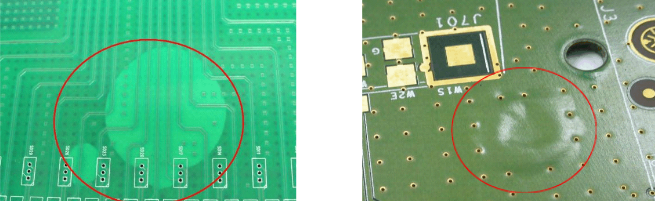
Causes of blistering on the surface of the PCB board
1. Problems with substrate handling. For some thinner substrates, due to the poor rigidity of the substrate, it is not advisable to brush the plate with a brush machine. Therefore, it is necessary to pay attention to control in the production and processing process to avoid blistering of the board surface due to the poor adhesion between the base material copper foil and electroless copper.
2. Oil stains caused by board surface processing (drilling, lamination, milling, etc.), or dust pollution caused by other liquids, will cause blistering of the board surface.
3. Poor copper brush plate. The pressure of the grinding plate before copper immersion is too high, which leads to the deformation of the orifice, and the orifice blisters during the copper immersion, electroplating, tin spraying and soldering process.
4. Wash. Because copper plating requires a large amount of chemical solution treatment, and there are many kinds of acid, alkali, inorganic, organic and other pharmaceutical solvents, it will not only cause cross-contamination, but also cause poor local treatment of the board surface, resulting in some adhesion problems.
5. Micro-etching in copper plating pretreatment and pattern electroplating pretreatment. Excessive micro-etching can lead to leakage of the substrate at the orifice and blistering around the orifice.
6. The activity of copper precipitate is too strong. The newly opened copper immersion liquid tank or bath has a high content of three components, which leads to the deterioration of the physical properties and quality of the plating and the defect of poor adhesion.
7. Oxidation of the board surface during the production process will also cause the board surface to blister.
8. Poor rework of copper mines. In the process of rework, some copper-plated rework plates will blister due to poor deplating, incorrect rework methods or improper control of micro-etching time during the rework process.
9. Insufficient washing after development, too long storage time after development or too much dust in the workshop during graphic transfer will cause potential quality problems.
10. The pickling tank should be replaced in time before copper plating, otherwise it will not only cause the cleanliness of the board surface, but also cause defects such as rough plate surface.
11. Organic pollution, especially oil pollution, will cause blistering of the plate surface in the electroplating tank.
12. In the production process, special attention should be paid to the charged feeding of the plate, especially the plating solution with air stirring.
From what aspects to judge the quality of the PCB board?
Analyze the characteristics of nano waterproof materials for PCBA circuit boards


SEND MESSAGE