
The demand for high-frequency circuit materials has surged, and Rogers PCB has become the cornerstone of the 5G and autonomous driving industry
2026-01-10
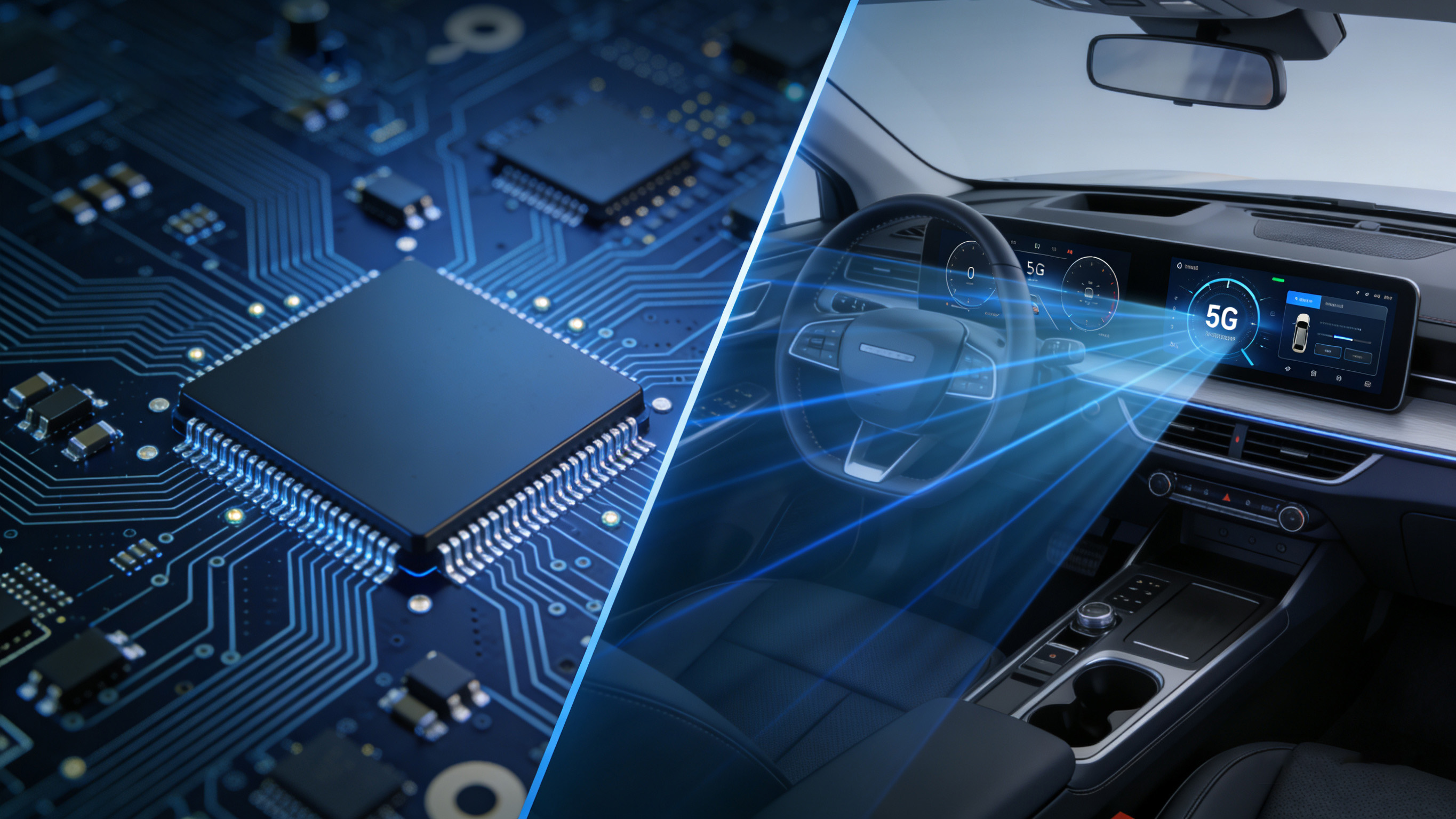
With the construction of global 5G communication networks entering the deep water area and the acceleration of the commercialization of advanced autonomous driving technology, the market demand for high-frequency and high-speed printed circuit boards (PCB) is ushering in explosive growth. In this context, Rogers PCB materials, known for their high performance, are becoming an indispensable core link in the industrial chain, attracting widespread attention from base station equipment manufacturers to automotive electronics manufacturers.
Rogers produces specialty circuit board materials that are very different from traditional FR-4 substrates. With its stable low dielectric constant (Dk), extremely low loss factor (Df), and excellent thermal stability, it can achieve efficient signal transmission in millimeter wave frequency bands (such as 24GHz, 77GHz), greatly reducing signal attenuation. This is the key physical foundation on which 5G mmWave communications and in-vehicle radar systems depend. At present, mainstream communication equipment manufacturers have generally used RO4000 series hybrid media boards in AAU (active antenna unit) and base station RF front-ends. In the automotive field, RO3000 series materials have become the first choice for most automotive radar sensors due to their reliability in high-temperature vibration environments.
Industry analysis points out that in the next three years, the global 5G base station construction and automotive intelligence will give birth to a high-frequency PCB market of more than 10 billion US dollars. Rogers dominates this segment with its long-standing material formulation patents and in-depth cooperation with downstream manufacturers. However, its high material cost and complex processing process also put forward higher requirements for PCB manufacturers - how to optimize hybrid pressing technology and control processing yield has become a pain point that needs to be broken through in the industry.
At the same time, localized substitution is quietly underway. Material manufacturers from China, Japan and other countries have increased R&D investment in an attempt to get a piece of the pie in the field of high-frequency substrates. However, industry experts believe that Rogers' material stability in ultra-high frequency (>100GHz) application scenarios is still difficult to completely replace in the short term.
It is foreseeable that today, as semiconductor processes approach physical limits, "material innovation" is becoming an important driving force for the continuous evolution of the electronics industry. The popularity of Rogers PCB not only reflects the trend of high-frequency hardware design, but also reveals the strategic value of upstream core materials in the future competition between communication and automotive industries. For relevant enterprises, mastering the selection and manufacturing capabilities of high-frequency PCB is no longer just a technical choice, but also a strategic layout related to competitiveness.
The PCBA supply chain is facing severe challenges: chip shortages and rising costs are squeezed
Focus on Advanced Manufacturing: When You Need to Go Beyond PCBWay 's Standard Options


SEND MESSAGE