
The PCBA supply chain is facing severe challenges: chip shortages and rising costs are squeezed
2026-01-12

As the global electronics manufacturing industry continues to recover, the printed circuit board assembly (PCBA) industry is facing unprecedented pressure. According to the latest industry data, since the beginning of this year, the supply of key components required for PCBA production has continued to be tight, resulting in a general extension of 30%-50% in the delivery cycle and a significant increase in production costs.
Supply chain disruptions set off a ripple effect
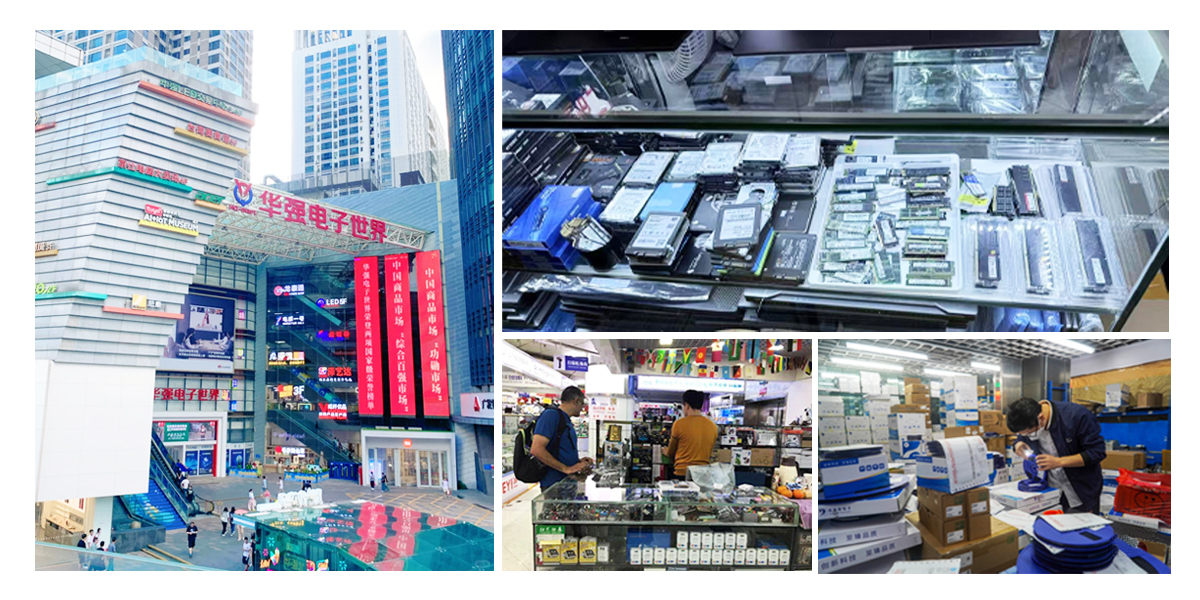
In the Shenzhen Huaqiangbei electronics market, a number of PCBA suppliers said that the current delivery time of mainstream models of microcontrollers (MCUs), power management chips and memory chips has been extended from the usual 4-6 weeks to 12-20 weeks. The person in charge of procurement of a medium-sized electronics manufacturing company revealed: "We now need to plan procurement half a year in advance, and even so, we still face the risk of temporary cancellation of orders." ”
Industry analysts pointed out that this round of supply tightness stems from the superposition of multiple factors: uneven distribution of global chip production capacity, rising raw material prices, soaring logistics costs and geopolitical factors. In particular, the surge in demand for new energy vehicles, 5G equipment and consumer electronics has further intensified the battle for key PCBA components.
Cost pressure continues to be transmitted
In terms of cost, the price of PCB substrate materials has risen by about 15-20% since the beginning of the year, and passive components such as resistors and capacitors have also increased by 5-10%. Coupled with rising chip prices and increased logistics costs, the overall cost of PCBA has increased by about 25-30% compared to the same period last year.
"We are renegotiating price terms with customers," a PCBA manufacturer in Dongguan said, "and some long-term orders can no longer be executed at the original price, otherwise the company will face losses." ”
Industry response strategies are diversified
In the face of challenges, PCBA companies are taking a variety of countermeasures. Large manufacturers stabilize supply chains by signing long-term supply agreements and building strategic inventories; Small and medium-sized enterprises are more likely to turn to alternative component designs and optimize production processes to reduce costs. At the same time, more and more companies are beginning to consider supply chain diversification and explore the possibility of establishing auxiliary production bases in Southeast Asia and other places.
Industry experts predict that PCBA supply chain tensions may continue into the first half of 2023. During this period, the terminal price of electronic products may rise, especially low-end consumer electronics will be more obviously affected.
It is worth noting that this situation is also driving China's PCBA industry to accelerate the pace of technological upgrading and independent innovation. A number of leading companies have increased R&D investment in high-end products such as high-density interconnect (HDI) boards and flexible circuit boards, seeking to alleviate cost pressures through technological added value.
With the in-depth adjustment of the global electronics industry pattern, PCBA, as the core link of electronic product manufacturing, the stability and resilience of its supply chain are receiving unprecedented attention, which will also directly affect the development trend of the entire electronics industry in the second half of the year.
Surging Demand for AI Servers Brings ‘Sweet Headaches’ to High-End PCBA Supply Chain
The demand for high-frequency circuit materials has surged, and Rogers PCB has become the cornerstone of the 5G and autonomous driving industry


SEND MESSAGE