
PCBA: How the "Brain" of Electronic Products Is Born?
2026-02-27
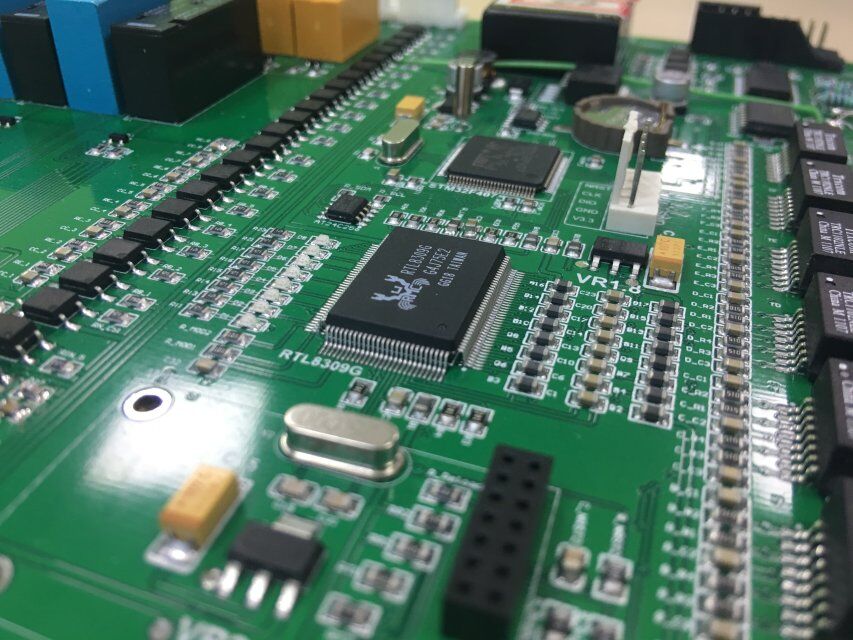
PCBA stands for Printed Circuit Board Assembly. It refers to the entire process of installing electronic components on a blank PCB board and completing electrical connections through soldering. Simply put, a PCB is a bare circuit board, while a PCBA is the core component that actually functions in our electronic devices.
The production of PCBA is a precise and complex process, mainly involving two core technologies:
First is SMT (Surface Mount Technology). Solder paste is accurately applied to the pads using a solder paste printer, and then tiny resistors, capacitors, chips, and other components are quickly placed in their respective positions by a high-speed pick-and-place machine. Afterward, the circuit board enters a reflow oven, where high temperatures melt and solidify the solder paste, firmly securing the components to the board.
Second is THT (Through-Hole Technology). For components that need to withstand higher stress or cannot be miniaturized, their pins are inserted into pre-drilled holes on the PCB either manually or by an automated insertion machine, and then soldered using wave soldering.
After assembly, strict testing is essential. Automatic optical inspection equipment quickly scans the solder joints for defects such as cold soldering or short circuits. Some complex products also require X-ray inspection and functional testing to ensure that every PCBA operates reliably.
From smartphones to aerospace equipment, from medical instruments to smart home devices, PCBAs are everywhere. They are the cornerstone of modern electronics, and it is these component-loaded circuit boards that form the "central nervous system" of all the smart devices around us.
What Affects the Temperature Resistance of PCBA Materials?
What is SMT?


SEND MESSAGE