
How to choose SMT chip inductors in PCBA processing?
2026-03-19
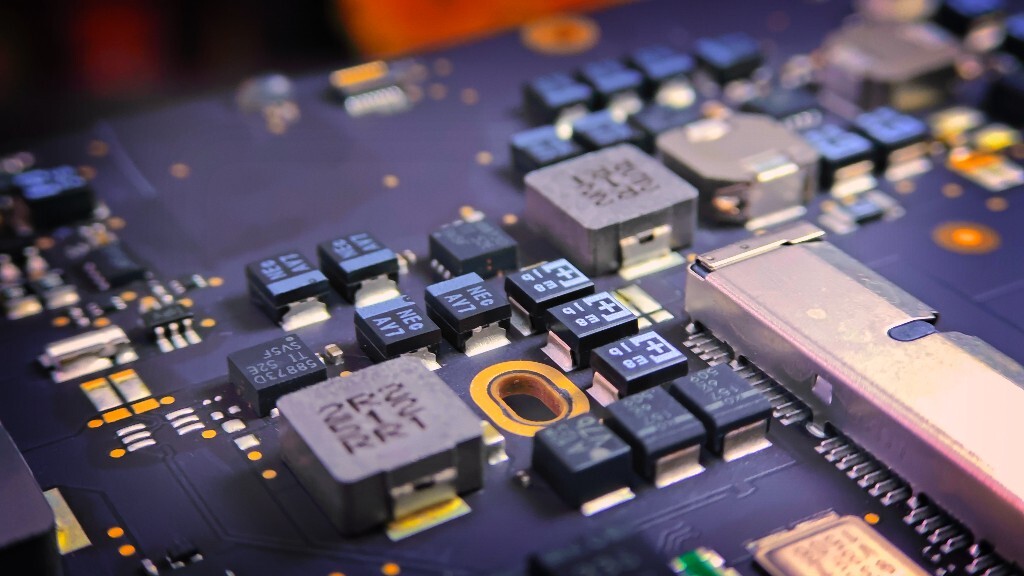
In PCBA processing, the selection of SMT (surface mount technology) chip inductors is directly related to the stability of the power module, the integrity of the signal, and the power consumption performance of the product. Choosing the right inductor requires a comprehensive consideration of electrical performance, physical structure, and process reliability. Here's a detailed selection guide:
1. Accurate matching of core electrical parameters
Inductance value (L) and tolerance: Nominal value is determined based on circuit functions (e.g., DC-DC conversion, RF resonance). The common tolerance is ±10% or ±20%, and high-precision inductors are selected for resonant circuits.
Direct current resistance (DCR) : D CR directly affects the efficiency of the circuit and the heat generation at high currents. For high-current paths such as processor power supply, inductors with low DCR in milliohm should be selected.
Rated current (temperature rise current/saturation current): This is the core safety indicator for selection. It is necessary to ensure that the saturation current (Isat) of the inductor is greater than the actual peak current of the circuit to prevent the inductance from dropping sharply due to magnetic saturation. At the same time, the temperature rise current (Irms) needs to meet the heat dissipation requirements to avoid overheating.
Self-tuning frequency (SRF): In high-frequency applications (such as RF circuits), the inductor's self-tuning frequency needs to be significantly higher than the operating frequency to avoid capacitance of the inductor beyond this frequency, which is less meaningful.
Factor of Merit (Q-Value): In filters or oscillators, a high Q-value means low energy loss and sharper frequency response.
2. Physical structure and shielding characteristics
Magnetic shielding vs. non-shielding: For high-density cabling scenarios such as mobile phones and IoT modules, magnetic shielding inductors (such as integrated inductors) must be selected to reduce electromagnetic interference (EMI) to peripheral components (such as ICs and RF antennas).
Package size: Choose the appropriate package (such as 0603, 0805, or 10x10mm with more power) based on the power density and space constraints of the PCBA. The smaller the size, the lower the saturation current, so there is a trade-off.
Material and temperature rise: ferrite inductor has low cost and wide application, but is easy to saturate at high current; One-piece inductors offer better immunity to saturation and lower risk of whistling.
Package size: Choose the appropriate package (such as 0603, 0805, or 10x10mm with more power) based on the power density and space constraints of the PCBA. The smaller the size, the lower the saturation current, so there is a trade-off.
Material and temperature rise: ferrite inductor has low cost and wide application, but is easy to saturate at high current; One-piece inductors offer better immunity to saturation and lower risk of whistling.
3. Compatibility of PCBA processing process
Heat resistance: SMD inductors are reflow soldered at high temperatures, and their body materials must meet the temperature resistance requirements of RoHS and lead-free soldering (typically 260°C peak temperature).
Mechanical strength: As a structural component, the inductor must have sufficient shear resistance in a vibration environment to avoid pad cracking.
4. Examples of practical application scenarios
Power Circuit: Prioritize low DCR and high saturation current, and recommend using one-piece inductors.
RF Front-End: Prioritize high Q values and precise inductance values, with wound ceramic inductors recommended.
Signal filtering: Focus on stable frequency characteristics and magnetic shielding effects.
Summary: There is no absolute "best" for choosing SMT chip inductors, only "the most suitable". It is recommended to use the calculation tools provided by the manufacturer or refer to the mature scheme for simulation in the early stage of selection, and finally confirm the reliability of the selection through actual PCBA sample tests (especially temperature rise and noise tests).
Advantages and Functions of Mixed PCBA Assembly
How can the PCB manufacturing industry reduce the cost of electroless nickel immersion gold (ENIG)?


SEND MESSAGE