
How to Reduce PCBA Manufacturing Costs Through Efficient Testing?
2026-01-16
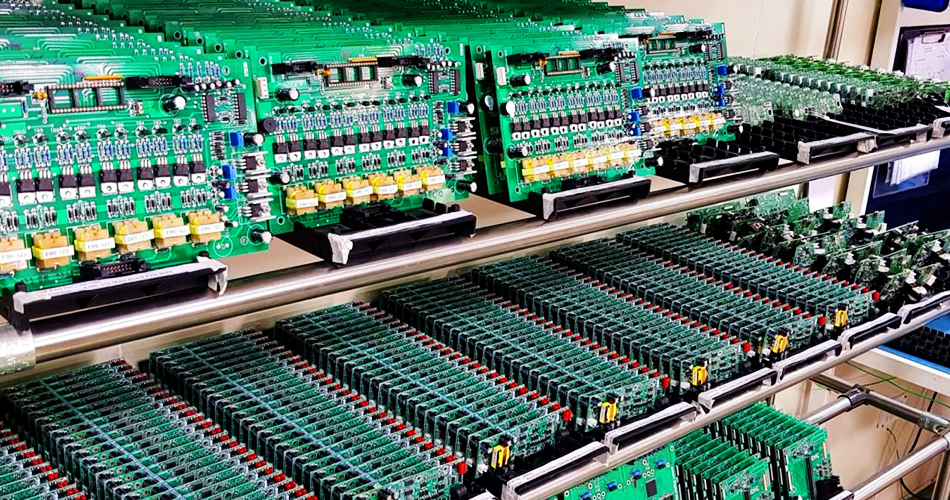
In modern electronics manufacturing, controlling the cost of printed circuit board assembly (PCBA) directly impacts a company's market competitiveness. Among the production stages, testing serves as a core part of quality control. By implementing efficient testing strategies, overall manufacturing costs can be significantly reduced.
Analysis of Testing Cost Composition
The main components of PCBA testing costs include test development, equipment investment, labor input, and defect repair. Traditional testing methods often rely heavily on manual inspection and functional testing, which are inefficient and prone to missed defects, leading to skyrocketing repair costs later. Statistics show that defect repair costs discovered after product release can be 10 to 100 times higher than those caught during the manufacturing stage, highlighting the importance of efficient early testing.
Practical Strategies for Efficient Testing
Optimized deployment of Automated Test Equipment (ATE): Replacing manual testing with automated test equipment not only increases testing speed but also ensures consistency and accuracy. By properly planning test stations to enable parallel testing, equipment utilization can be increased by over 30%.
Precise design of test coverage: Design targeted test plans based on product features and historical data. Focus on high-failure-rate areas, avoid "over-testing," and streamline test items while maintaining quality.
Preventive testing strategy: Implement In-Circuit Testing (ICT) and flying probe testing to detect soldering and component defects early in assembly, preventing defects from progressing to later stages. Studies show that identifying a soldering defect early can save approximately 50 RMB in subsequent repair costs.
Data-driven test optimization: Establish a test data analysis system to track fault patterns and distribution, continuously optimizing test programs and parameters. Predictive analysis helps allocate testing resources toward critical defects.
Design for Testability (DFT) collaboration: Test engineers are involved early in the product design phase to promote testable design and reduce testing complexity. Good testability design can shorten test development time by 40% and reduce testing costs by 25%.
Comprehensive Benefit Assessment
Companies implementing efficient testing strategies can typically shorten testing cycles by 20%-35%, increase first-pass yield by over 15%, and reduce rework rates by 30%-50%. This not only directly lowers labor and material consumption during testing but, more importantly, substantially reduces hidden costs such as after-sales repairs, returns, and brand reputation losses through early defect interception.
In a market environment characterized by accelerated electronics product iterations and shrinking profit margins, building an efficient testing system has become a necessary strategy for PCBA manufacturers. Through scientific optimization of the testing process, companies can substantially reduce manufacturing costs while ensuring product quality, thereby enhancing overall market competitiveness.
STG Electronic's excellent manufacturing practices have attracted attention, and JLCPCB technology upgrades have deepened the release of industry value
JLCPCB Process Upgrades Lead Industry Transformation: How STG Electronic Leverages It to Strengthen High-End PCBA Manufacturing Advantages



SEND MESSAGE