
AI Is Eating Up Component Capacity – And PCBA Buyers Are Feeling It
2026-07-02
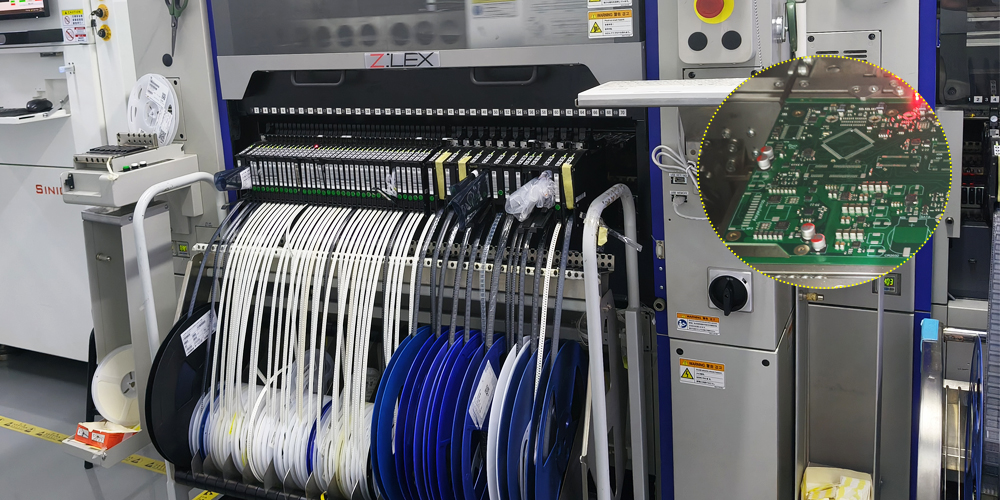
Recently, conversations with several procurement professionals have consistently highlighted one issue: passive component prices are rising at an unprecedented rate.
The biggest driver behind this surge? AI. A single AI server consumes 3 to 10 times more MLCCs (multilayer ceramic capacitors) than a standard server. Major manufacturers like Yageo and Murata have launched their broadest price hikes in recent memory – premium MLCCs are up 15–40% , with some scarce models doubling in spot price.
Put simply, AI is eating up capacity. One high-capacitance MLCC consumes the same production capacity as dozens – even hundreds – of standard capacitors. Factories are prioritizing high-margin AI-grade components. The rest of us are left with longer lead times and thinner inventories. Industry watchers expect this squeeze to last well into 2027 or beyond.
What This Means for PCBA Manufacturers
Rising component costs and stretched lead times are now daily realities for anyone in PCBA.
The technical bar is rising too. Consumer-grade boards used to be straightforward – standard FR-4, place parts, done. Now we're building boards for humanoid robots and AI servers. That means rigid-flex, heavy copper, micron-level placement accuracy – plus solving impedance matching and thermal management for high-frequency, high-speed signals.
Supply chain management has become a competitive edge. It's no longer just about soldering. Clients expect us to help manage inventory, secure components ahead of time, suggest alternative parts, and even share financial risk.
What This Means for Buyers
If you're still sourcing PCBA the old way – design first, then figure out parts, then shop for quotes – you're probably already feeling the pain.
Now, you need to think about component availability and lead times during the design phase. Smart buyers are forming deeper partnerships with their manufacturers – locking in materials early, building buffer stock, and sharing forecasts.
STG has been in the PCBA business for 24 years. We've seen cycles come and go – and we're adapting to this one head-on.
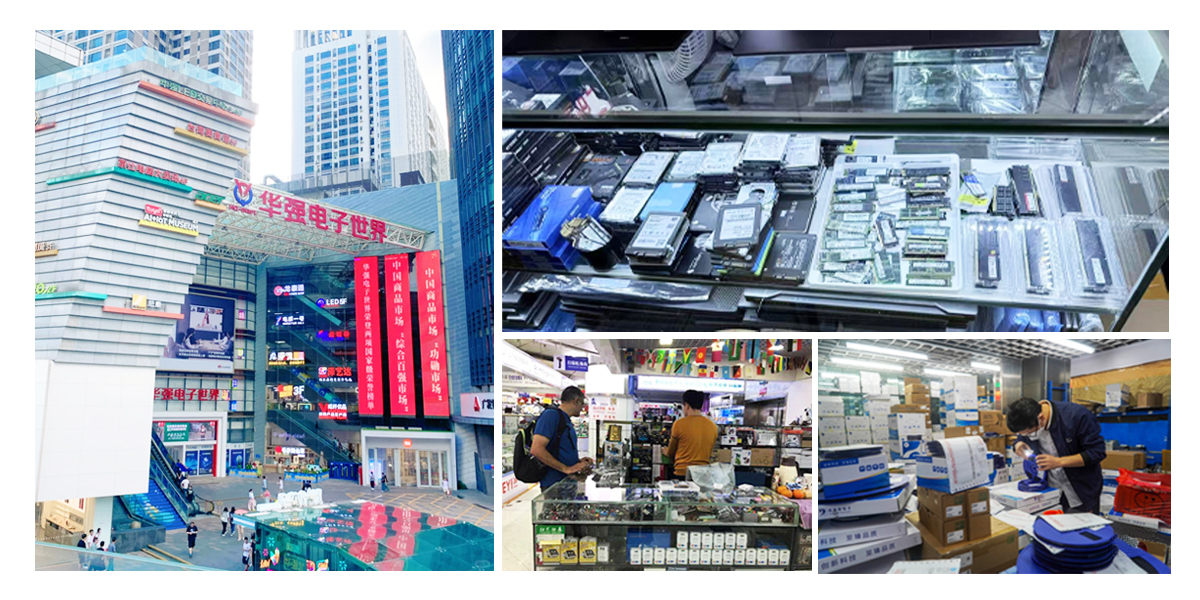
We maintain long-term relationships with major distributors globally. For our regular clients, we offer VMI (Vendor Managed Inventory) and proactively stock strategic parts 1–2 quarters ahead. Our Shenzhen-based sourcing team can respond to urgent needs within 4 hours.
Our engineering team reviews your design for manufacturability (DFM) before production – we flag long-lead parts, suggest alternatives, and catch potential issues early. We're already building AI server boards, robot controllers, and other advanced applications. Rigid-flex, HDI, and BGA placement are routine for us.
Right now, we quote 5–7 days for prototypes (1–50 pcs) and 2–3 weeks for small batches (50–500 pcs) . We don't overpromise. We deliver what we say.
If You're Facing Any of These Issues
Some components in your BOM have crazy long lead times – and you're not sure what to do
Your current PCBA partner is fully booked, and delivery keeps slipping
You want a fresh look at your design – are there better sourcing options for your components?
Send us your BOM and Gerber files. Our engineering and procurement teams will go through them together – flag which parts need early locking, suggest alternatives, and give you a realistic delivery timeline. You'll hear back within 24 hours.
PCB Material Prices Are Rising – What Should PCBA Buyers Do?
China Expands RoHS Compliance Catalog: What PCBA Buyers Must Know


SEND MESSAGE