
What are the advantages of multilayer PCB compared to ordinary PCB?
2023-10-09
PCB power many industries and devices in our society. As our technology evolves, so does the demand for different types of PCB. When you're choosing between single-layer and multilayer PCB, the options seem endless. Before buying a new PCB, it is important to understand the pros and cons of each option. These are some of the benefits of buying a multi-layer PCB on a single-layer design.
What is a multilayer PCB?
First, it is important to understand what a multilayer PCB is and how it is manufactured.
A single-layer PCB has a layer of conductive material. You will find a conductive wiring diagram mounted on one side of the board and components mounted on the other side. Single-layer PCB are often used in simple equipment because no wires can be crossed to make the circuit work properly. Double-sided PCB are similar and have more functions than single-layer boards, but less than multi-layer PCB. They have only one dielectric layer and a conductive metal layer on both sides.
On the other hand, multi-layer PCB is more complex than single or double sided PCB. Multilayer PCBS have three or more layers of conductive material. Other layers, usually copper foil, are stacked on top of this core.
Start at the core. Each layer added since then has not fully cured. This way, the manufacturer can adjust them relative to the magnetic core. After that, the foil moves on and can be alternated with other layers by a laminating process. Pressure and high temperature techniques must be used to combine the layers and melt them together safely.
Single and multilayer PCB
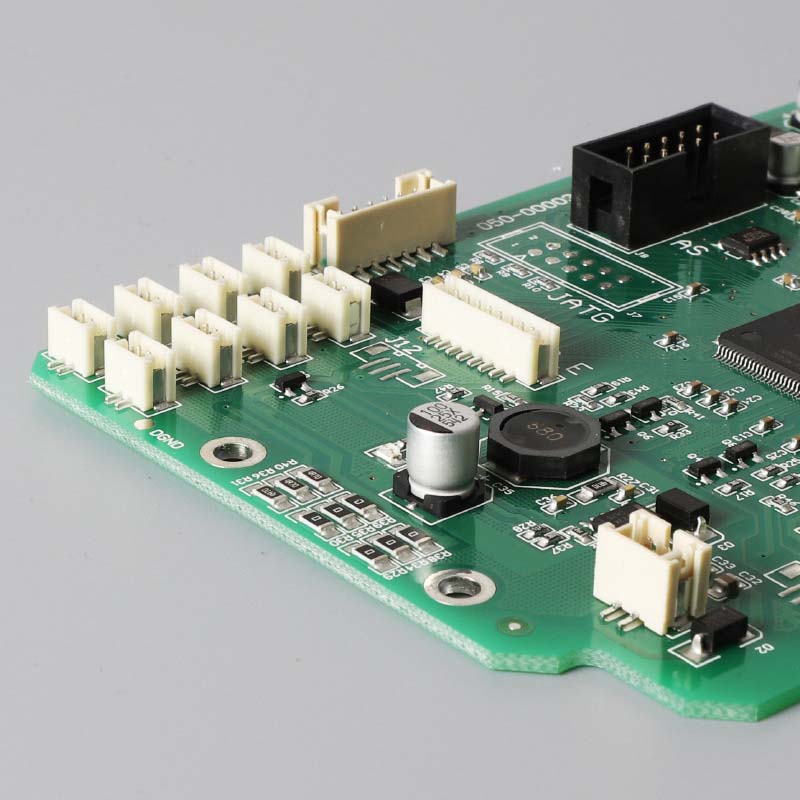
Multilayer PCB have many benefits. Overall, these boards are smaller and lighter, which makes them ideal for smartphones or computers, or other products that require multifunctional packaging. Here are some special benefits:
· Multi-layer PCB allows you to get more functions.
· High assembly density means you can extend the life of the board.
· The structure is simpler when you don't need connectors for multiple independent PCB.
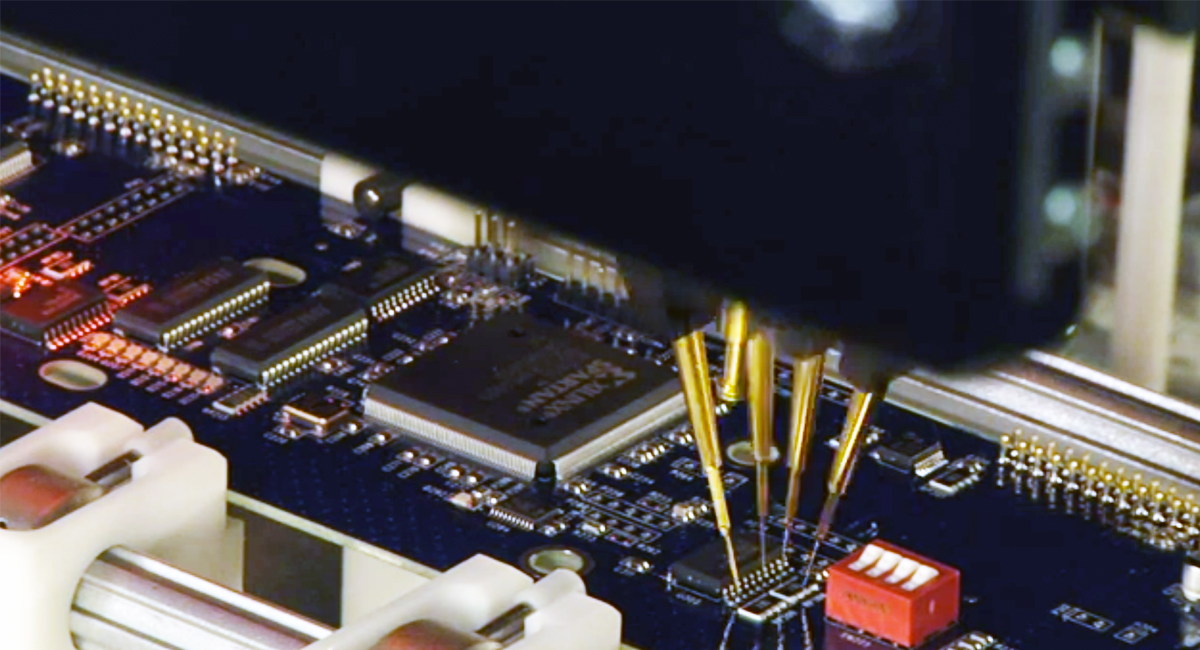
· A rigorous testing process at the manufacturing stage means you will get high quality, efficient products.
· The electrical characteristics of multi-layer PCBS are faster than those of single-layer boards.
· Depending on the number of layers you choose to add, multilayer PCB are often well suited for both rigid and flexible structures.
· High assembly density means you can extend the life of the board.
· The structure is simpler when you don't need connectors for multiple independent PCB.
· A rigorous testing process at the manufacturing stage means you will get high quality, efficient products.
· The electrical characteristics of multi-layer PCBS are faster than those of single-layer boards.
· Depending on the number of layers you choose to add, multilayer PCB are often well suited for both rigid and flexible structures.
In contrast, while single-layer PCB are very useful in some applications, they also have some drawbacks that cannot be ignored. Here are some disadvantages of single-layer boards:
· Since the wires cannot be crossed, single-layer boards are primarily ideal for simple electronic devices and do not offer much versatility in use.
· Although single-layer PCB are cheaper to manufacture, their service life is not longer than that of multilayer PCB, which means that their overall cost effectiveness is lower.
· Single-layer PCBS cannot achieve the fast speeds of their multi-layer counterparts.
· Boards with a single layer are limited to their circuit design because they have only one conductor and each line requires its own path.
· Since the wires cannot be crossed, single-layer boards are primarily ideal for simple electronic devices and do not offer much versatility in use.
· Although single-layer PCB are cheaper to manufacture, their service life is not longer than that of multilayer PCB, which means that their overall cost effectiveness is lower.
· Single-layer PCBS cannot achieve the fast speeds of their multi-layer counterparts.
· Boards with a single layer are limited to their circuit design because they have only one conductor and each line requires its own path.
While single-layer PCBS are an acceptable choice for low-density designs, the nature of multi-layer PCBS makes them the best choice for many industries looking for more durable and versatile options.
The use of multi-layer PCB
Many industries and products can use and benefit from multi-layer PCBS, especially because of their durability, functionality and lightness. Here are some products where these boards are often used:
· COMPUTER
· Heart monitor
· Fire Alarm
· GPS and satellite systems
· Industrial control
· Heart monitor
· Fire Alarm
· GPS and satellite systems
· Industrial control
What is automatic optical inspection(AOI) of PCB manufacturing?
About the Mid-Autumn Festival and National Day holiday arrangements


SEND MESSAGE